-
Shop
- Adidas
- Advanced Technologies
- Apple Accessories
- Best-Sellers
- Car Accessories
- Dating & Social Skills
- Digital Resources
- AI Skills
- Beauty
- Car Buying & Ownership
- Cozy Feast Collection
- Electronics & Technology
- Financial Education
- Hobbies
- Home Styling & Organization
- Mindset
- Online Business
- Parenting & Child Development
- Personal Style & Fashion
- Pet Lifestyle & Wellness
- Smart Life with AI
- Travel Planning
- Wellness
- Yoga & Fitness
- Education & Learning
- Family & Parenting
- Fashion
- Alexander McQueen
- Bags
- Bags & Wallets
- Balenciaga
- Belts
- Blazers
- Blouses & Shirts
- Bottega Veneta
- Brunello Cucinelli
- Burberry
- Chanel
- Chloé
- Dior
- Dolce & Gabbana
- Dresses
- Etro
- Fendi
- Gucci
- Hats & Hair Accessories
- Jacquemus
- Jewelry
- Jil Sander
- Keychains
- Kiton
- Luggage
- Luggage Bags
- Miu Miu
- Off-White
- Outerwear
- Prada
- Rick Owens
- Saint Laurent
- Socks & Tights
- The Row
- Tom Ford
- Valentino
- Valentino Garavani
- Versace
- Vivienne Westwood
- Watches
- Furniture
- Gadgets
- Health & Beauty
- Health & Wellness
- Home & Garden
- Kids & Babies
- Kitchen
- Lighting
- Patio, Lawn & Garden
- Personal Growth
- Pet Care
- Pet Supplies
- Pets
- Shoes
- Sport & Outdoors
- Stress Relief & Relaxation
- Travel
- Wealth
- Popular
- Best deals
AI Shoe Picks for Workwear & Everyday Outfits (Fast Guide)
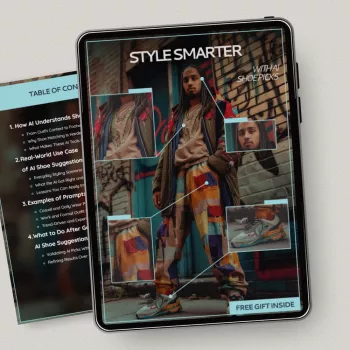
Style Smarter With AI Shoe Picks: A Digital Guide for Everyday and Workwear Outfits
Choosing shoes gets easier when outfit details are translated into clear decision rules. AI-assisted shoe suggestions can help you move from “I have nothing to wear” to a short, workable list—especially on commute days, meeting-heavy schedules, or trips where one outfit has to flex from day to night. The key is knowing what AI does well, what it can’t truly “feel” (fit and comfort), and how to give it the right inputs so the recommendations actually match your life.
What AI Shoe Picking Does Well (and Where It Needs Human Judgment)
AI is strong at pattern matching—connecting outfit formality, color families, and silhouettes to dependable shoe categories like loafers, sneakers, pumps, and boots. It’s especially helpful when time is limited: back-to-back meetings, last-minute dinner plans, or travel days when you need something presentable that can handle lots of walking.
Where AI needs your judgment is the “reality layer”: arch support, toe box comfort, break-in time, traction, weather, and how far you’ll actually walk. Two pairs of loafers can look equally “right” on-screen, but one might rub your heel or slide on wet pavement.
The best results come from giving structured inputs: dress code, fabric weight, hem length, and your walking/standing needs. Treat AI as a shortlisting tool, then do a quick reality check for practicality and personal style.
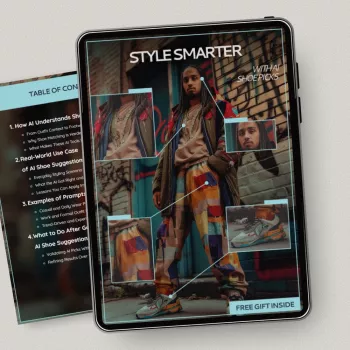
If you want a repeatable system you can reuse week after week, the Style Smarter With AI Shoe Picks – Digital Styling Guide is built around simple outfit signals and a fast checklist so shoe choices stop being a daily debate.
The Outfit-to-Shoe Framework: 5 Signals That Decide the Best Pair
When shoe decisions feel messy, it’s usually because too many variables are competing at once. These five signals put your choice back on rails.
- Formality level: casual, smart casual, business casual, business formal. Use this as the first filter before colors or trends.
- Silhouette balance: wide-leg pants often pair best with chunkier soles or structured loafers; slim trousers can handle sleeker profiles.
- Hem and proportion: cropped hems spotlight the shoe; full-length hems benefit from clean lines and stable heel heights.
- Color strategy: match (same family), echo (repeat a color from your top/bag/belt), or contrast (one intentional pop).
- Practical constraints: walking distance, stairs, commute surface, weather, and time on feet determine heel height and sole type.
Quick matching guide: outfit signals to shoe direction
| Outfit signal | What to tell the AI | Shoe types that usually work | Common mismatch to avoid |
|---|---|---|---|
| Business casual meeting | Business casual, minimal, neutral palette, all-day comfort | Loafers, sleek sneakers (if allowed), low block heels, derby shoes | Overly athletic runners with tailored trousers |
| Wide-leg trousers | Wide-leg, longer hem, structured look | Chunky loafers, platform sneakers, block-heel boots | Tiny delicate flats that disappear under the hem |
| Midi dress | Midi length, movement, day-to-night | Strappy sandals, pointed flats, ankle boots (sleek) | Heavy hiking-style boots unless intentionally styled |
| Monochrome outfit | All black / all beige, clean lines | Tonal loafers, pointed-toe flats, minimal sneakers | Busy multi-color shoes that break the column |
| Rainy commute | Wet weather, commuting, traction needed | Chelsea boots, lug-sole loafers, water-resistant sneakers | Suede or smooth leather soles without grip |
How to Feed AI the Right Outfit Details for Better Shoe Suggestions
Better inputs lead to better outputs. Start with the constraints that eliminate “pretty but impossible” picks, then add the details that refine the style match.
As a general caution, treat AI outputs as suggestions—not guarantees. Guidance from organizations like the Federal Trade Commission (FTC) and the NIST AI Risk Management Framework reinforces the idea of reviewing AI recommendations with human judgment, especially when comfort, safety, or real-world constraints matter.
Everyday Outfit Matching: Reliable Shoe Formulas That Don’t Overthink It
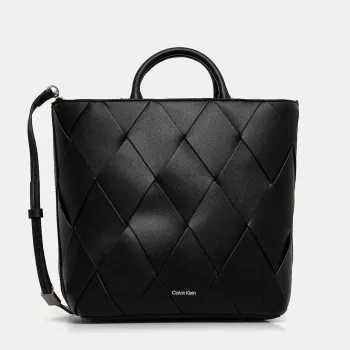
Accessories can quietly “explain” your shoe choice. A streamlined black bag can make sneakers feel intentional with tailoring, or make loafers feel sharper with denim. A dependable option for that polished anchor is the Calvin Klein Women’s Black Zip Tote Bag, which pairs cleanly with neutrals, monochrome outfits, and most office palettes.
Workwear Matching: Looking Polished Without Sacrificing Comfort
The AI Fashion Checklist: A 60-Second Final Pass Before Leaving
Using the Digital Guide: Make Shoe Choices Faster Week After Week
For a ready-to-use system of outfit signals, ranked shoe directions, and a fast final check, keep the Style Smarter With AI Shoe Picks – Digital Styling Guide on hand and treat it like a reusable template for your closet.
FAQ
What details should be included to get accurate shoe suggestions for an outfit?
Include the dress code, weather, how much walking/standing you’ll do, your outfit silhouette (fit and hem), fabrics, and your color family. Ask for three ranked options with a one-line reason for each so you can quickly validate the logic.
Can AI help with workwear shoe choices without looking too trendy?
Yes—start by requesting classic categories like loafers, pumps, pointed flats, or sleek boots, and specify a conservative palette with minimal hardware. Add a comfort threshold (like “walk 1–2 miles”) to avoid impractical recommendations.
How can shoes be matched to wide-leg pants without making the outfit look heavy?
Choose a structured shoe that can visually “hold its own,” like a chunky loafer, platform sneaker, or block-heel boot, and keep the color tonal or cleanly contrasting. Avoid overly delicate flats that disappear under the hem and make proportions look unbalanced.






Leave a comment