-
Shop
- Adidas
- Advanced Technologies
- Apple Accessories
- Best-Sellers
- Car Accessories
- Dating & Social Skills
- Digital Resources
- AI Skills
- Beauty
- Car Buying & Ownership
- Cozy Feast Collection
- Electronics & Technology
- Financial Education
- Hobbies
- Home Styling & Organization
- Mindset
- Online Business
- Parenting & Child Development
- Personal Style & Fashion
- Pet Lifestyle & Wellness
- Smart Life with AI
- Travel Planning
- Wellness
- Yoga & Fitness
- Education & Learning
- Family & Parenting
- Fashion
- Alexander McQueen
- Bags
- Bags & Wallets
- Balenciaga
- Belts
- Blazers
- Blouses & Shirts
- Bottega Veneta
- Brunello Cucinelli
- Burberry
- Chanel
- Chloé
- Dior
- Dolce & Gabbana
- Dresses
- Etro
- Fendi
- Gucci
- Hats & Hair Accessories
- Jacquemus
- Jewelry
- Jil Sander
- Keychains
- Kiton
- Luggage
- Luggage Bags
- Miu Miu
- Off-White
- Outerwear
- Prada
- Rick Owens
- Saint Laurent
- Socks & Tights
- The Row
- Tom Ford
- Valentino
- Valentino Garavani
- Versace
- Vivienne Westwood
- Watches
- Furniture
- Gadgets
- Health & Beauty
- Health & Wellness
- Home & Garden
- Kids & Babies
- Kitchen
- Lighting
- Patio, Lawn & Garden
- Personal Growth
- Pet Care
- Pet Supplies
- Pets
- Shoes
- Sport & Outdoors
- Stress Relief & Relaxation
- Travel
- Wealth
- Popular
- Best deals
Power Dressing: A Simple Authority Uniform That Feels Like You
What “power dressing” really is (and what it isn’t)
Power dressing is less about looking “fancy” and more about looking intentional. It’s the repeatable use of fit, color, structure, and consistency to communicate your message before you speak: prepared, capable, and calm under pressure.
What it isn’t: copying someone else’s aesthetic, wearing trend pieces that feel unlike you, or forcing a formal look when the setting doesn’t call for it. The strongest authority cue is alignment—your outfit should match the role you’re stepping into and the way you naturally move through the day.
In practice, authority often comes from a few clear signals: clean lines, a deliberate contrast (like dark trousers with a crisp light top), cohesive accessories, and grooming that matches the environment. The goal is “dress on purpose,” not “dress up”—fewer decisions in the morning, stronger outcomes all day.
The confidence loop: how clothing changes posture, focus, and behavior
Clothes don’t just change how others see you; they can change how you carry yourself. Research on “enclothed cognition” suggests what you wear can influence performance and psychological states when the clothing has meaning for the wearer (Adam & Galinsky, 2012). In real life, that can look like steadier eye contact, clearer speech, or a more grounded stance—especially when your outfit feels like it matches the responsibility of the moment.
Small upgrades create outsized shifts. A sharper shoulder seam, fabric that drapes instead of clings, and shoes that look intentional often change how you stand and move. For a quick reality check, use a “first 30 seconds” scan in the mirror: straighten your posture, drop your shoulders, relax your face and jaw, then take two steps. If you immediately start tugging, adjusting, or second-guessing, the outfit is spending your confidence before you even leave the room.
The sweet spot is mobility with polish. When your outfit supports natural movement—sitting, reaching, walking—confidence reads effortless rather than performed. For more on professional presence and impression formation, Harvard Business Review offers useful research-backed insights (Harvard Business Review).
Build a 10-minute “authority uniform” for weekdays
Think of an authority uniform as your reliable template. It isn’t one outfit; it’s one silhouette that you can repeat with small variations so you look consistent without feeling repetitive.
Step 1: Choose a base silhouette that always works
Pick one go-to shape that feels like “you” and works across settings. Examples: tailored trouser + fitted knit + blazer; structured dress + layer; dark denim + crisp shirt + jacket.
Step 2: Pick 2–3 power colors and anchor them with neutrals
Choose shades that flatter your skin tone and photograph well on video (think: navy, charcoal, deep olive, ivory, camel, burgundy). Then keep a neutral base—black, navy, gray, or cream—so your mornings stay simple.
Step 3: Use a structure shortcut near the face
For instant authority, include at least one structured element around the shoulders or neckline: a blazer, a sharp collar, a structured cardigan, or a crisp crew or square neckline that frames the face.
Step 4: Lock in your “reliable shoe category”
Choose one shoe type that fits your lifestyle (sleek sneaker, loafer, ankle boot, low heel) and keep it consistently clean. Shoes read as either “together” or “tired” faster than almost anything else.
Step 5: Choose a signature detail
A single repeatable detail makes even a simple outfit look deliberate: small hoops, a watch, a belt, a consistent lip color, or distinctive frames.
| Setting | Formula | Confidence cue | Easy upgrade |
|---|---|---|---|
| Video meetings | Solid top + structured layer + minimal jewelry | Clean neckline and shoulder line | Add a blazer or collar that frames the face |
| In-office | Tailored bottom + elevated knit/shirt + polished shoes | Crisp fit and consistent silhouette | Swap casual bag for a structured tote |
| Networking | Monochrome base + one statement piece | Intentional contrast, not clutter | Add a third piece (jacket, scarf, vest) |
| Creative workday | Relaxed tailoring + refined sneaker/boot | Comfort that still reads deliberate | Choose higher-quality fabric with better drape |
Fit, fabric, and finish: the three levers that change everything
If you want the fastest, most budget-friendly confidence boost, focus on these three levers before buying anything new.
Fit
Fabric
Finish
Accessories that signal authority without feeling overdressed
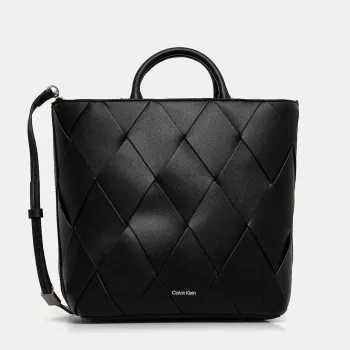
Structured bags communicate readiness and organization, while slouchy totes skew more casual. If you want a reliable everyday piece that instantly sharpens a weekday outfit, consider a structured option like the Calvin Klein Women’s Black Zip Tote Bag.
A simple weekly system: plan once, feel confident all week
Use a “3 + 2” structure
Batch your third pieces
Do a one-minute Sunday reset
Track what actually works
Putting it all together with a guided wardrobe mindset
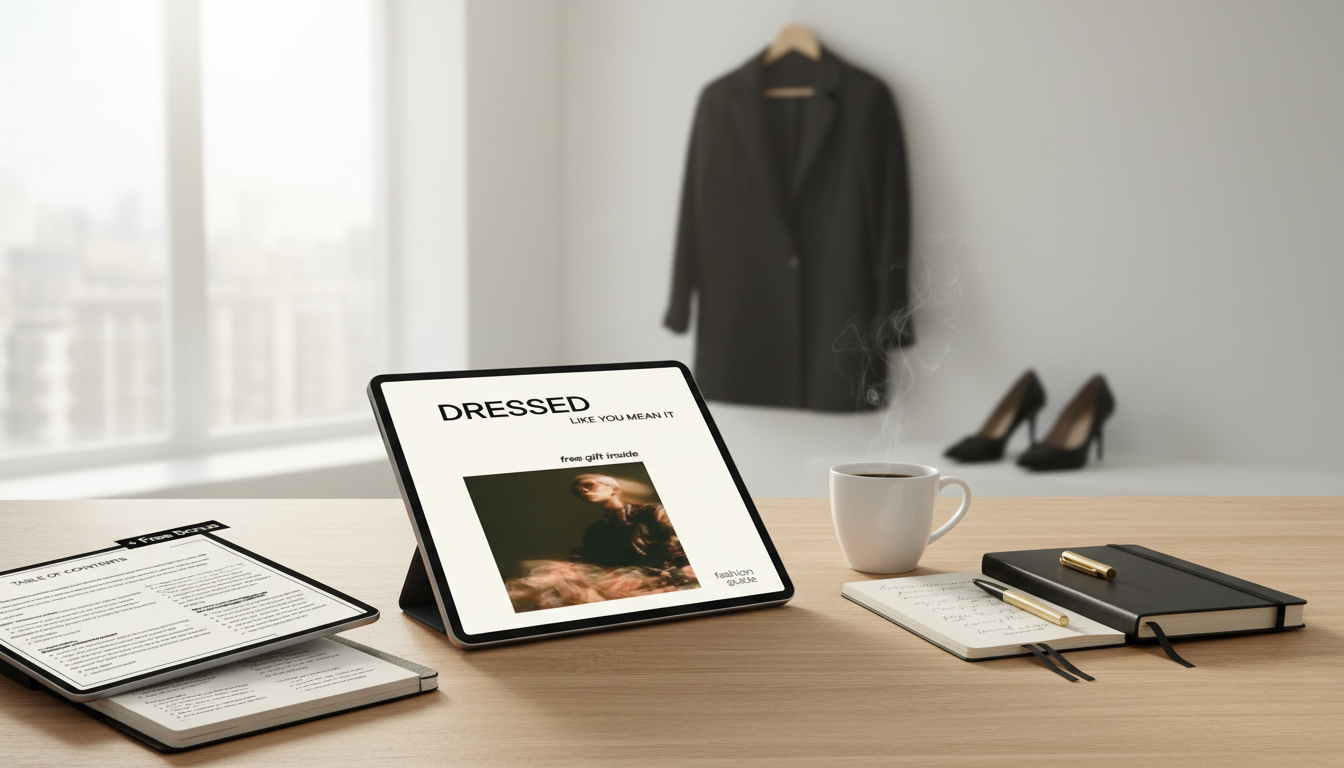
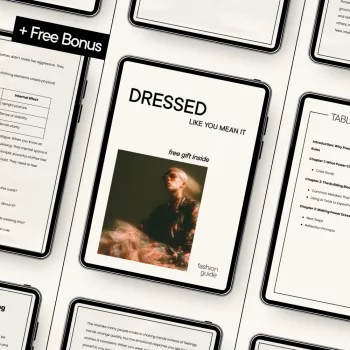
Start with a small authority capsule—two bottoms, three tops, two third pieces, and one reliable shoe category—then expand once the core feels consistent. If you want a step-by-step framework and outfit templates you can repeat, the digital guide Dressed Like You Mean It: Power Dressing Guide for Confidence, Personal Style & Everyday Authority (Digital eBook Download) can help you build a routine that stays true to your style.
FAQ
What does Giorgio Armani’s quote about clothes wearing you really mean for personal style?
It means the outfit should support your identity and message—not overpower it. If you feel self-conscious, keep adjusting, or the look feels “louder” than what you’re there to do, the clothes are wearing you. A good check is movement: if you can walk, sit, and gesture naturally, you’re in control of the look.
How can power dressing work if the dress code is casual?
Use upgraded basics with clean fit, intentional layering, and polished shoes, then add one structured element like a crisp collar or tailored jacket. In casual settings, consistency and neat finishing matter more than formality.
Recommended for you

Armani’s “Clothes Wear You” Quote: What It Means
May 20, 2026



Leave a comment