-
Shop
- Adidas
- Advanced Technologies
- Apple Accessories
- Best-Sellers
- Car Accessories
- Dating & Social Skills
- Digital Resources
- AI Skills
- Beauty
- Car Buying & Ownership
- Cozy Feast Collection
- Electronics & Technology
- Financial Education
- Hobbies
- Home Styling & Organization
- Mindset
- Online Business
- Parenting & Child Development
- Personal Style & Fashion
- Pet Lifestyle & Wellness
- Smart Life with AI
- Travel Planning
- Wellness
- Yoga & Fitness
- Education & Learning
- Family & Parenting
- Fashion
- Alexander McQueen
- Bags
- Bags & Wallets
- Balenciaga
- Belts
- Blazers
- Blouses & Shirts
- Bottega Veneta
- Brunello Cucinelli
- Burberry
- Chanel
- Chloé
- Dior
- Dolce & Gabbana
- Dresses
- Etro
- Fendi
- Gucci
- Hats & Hair Accessories
- Jacquemus
- Jewelry
- Jil Sander
- Keychains
- Kiton
- Luggage
- Luggage Bags
- Miu Miu
- Off-White
- Outerwear
- Prada
- Rick Owens
- Saint Laurent
- Socks & Tights
- The Row
- Tom Ford
- Valentino
- Valentino Garavani
- Versace
- Vivienne Westwood
- Watches
- Furniture
- Gadgets
- Health & Beauty
- Health & Wellness
- Home & Garden
- Kids & Babies
- Kitchen
- Lighting
- Patio, Lawn & Garden
- Personal Growth
- Pet Care
- Pet Supplies
- Pets
- Shoes
- Sport & Outdoors
- Stress Relief & Relaxation
- Travel
- Wealth
- Popular
- Best deals
Gold vs. Silver Jewelry: Find Your Undertone Glow

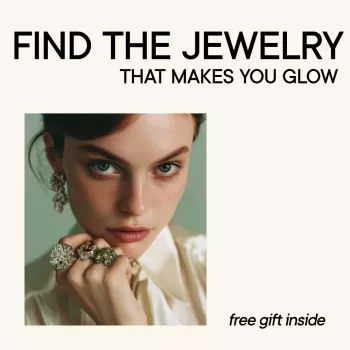
Find the Jewelry That Makes You Glow: A Skin Undertone Guide with a Simple Checklist
Jewelry can brighten the face, sharpen features, and make skin look more even—when the metal tone and color palette match natural undertones. A small shift from bright silver to softer champagne gold can change how clear your eyes look, how noticeable redness feels, and whether your complexion reads smooth or a little “washed.” Below are easy at-home ways to spot your undertone, plus a practical checklist that makes shopping faster and styling less guesswork.
What “glow” means in jewelry (and why undertone matters)
When jewelry “glows” on someone, it usually creates a clean, lifted effect: the whites of the eyes appear clearer, skin looks more even, and shadows around the mouth or under-eye area look softer. The opposite happens when the metal fights your undertone—skin can look dull, gray, overly pink, or slightly sallow.
Undertone is the subtle hue beneath the surface of the skin (warm, cool, neutral, and sometimes olive). It tends to stay relatively consistent, even if your surface tone changes with seasons or sun. Metal color matters because it reflects light back onto your face: yellow gold throws warmer reflections, while silver and other white metals bounce cooler, brighter light.
Quick ways to find your undertone at home
Use these tests like clues rather than a final verdict—lighting, makeup, and even hair color can influence what you notice first.
- Natural light check: Stand near a window and compare your skin next to a true white shirt versus a creamy ivory. Usually one looks “cleaner,” while the other makes skin look slightly gray or sallow.
- Vein test (a hint, not a rule): Blue/purple-leaning veins often suggest cool undertones; green-leaning can suggest warm; a mix can read neutral.
- Jewelry comparison: Hold a silver piece and a yellow gold piece near your face (no makeup if possible). Notice which one makes redness, blemishes, or under-eye darkness stand out less.
- Makeup mismatch clue: If foundations often pull too pink, skin may lean warm/olive; if foundations pull too yellow, skin may lean cool. Neutral undertones can “float” between brands.
- Olive note: Olive undertones can look warm in some light and cool in others. They frequently look best in muted metals or mixed-metal styling.
For a deeper background on skin tone and undertone, the American Academy of Dermatology Association is a helpful starting point.
Gold vs. silver: what typically flatters warm, cool, neutral, and olive undertones
These guidelines are a reliable shortcut when you’re deciding between gold and silver, or choosing stone colors that won’t compete with your natural coloring.
| Undertone | Common clues in natural light | Metals that often flatter | Gemstone/color directions |
|---|---|---|---|
| Warm | Skin reads golden/peach; ivory looks better than stark white | Yellow gold, rose gold, brass | Earthy and warm tones (citrine, amber, warm pearls, coral) |
| Cool | Skin reads pink/rosy; stark white looks crisp | Silver, white gold, platinum | Jewel and cool tones (sapphire, emerald, amethyst, cool pearls) |
| Neutral | Hard to tell; both white and ivory look fine | Both gold and silver; mixed metals | Wide range; choose by outfit contrast |
| Olive | Green-gray cast in some light; can look “muted” | Antique gold, champagne gold, brushed silver, mixed metals | Muted tones, smoky stones, deep greens, soft blush |
A practical checklist to use before buying or styling jewelry
When the rules don’t work: why “wrong metal” can still look amazing
Digital guide + printable checklist: what’s included and how to use it
For a step-by-step method that reduces trial-and-error, use Find the Jewelry That Makes You Glow – Jewelry Guide eBook & Checklist (Digital Download). It’s designed to help identify undertone clues, select a default metal, choose a small set of go-to stones/colors, and then apply a quick checklist to each new purchase.
Download, printing, and everyday organization tips
- Save it where you shop: Store the file in a cloud folder so it’s accessible on mobile while browsing.
- Print and reuse: Print on standard letter paper; a clear sleeve or lamination makes it easy to reuse while you edit your “defaults.”
- Create a simple “match set” note: Write down your default metal, favorite stone colors, and one high-impact category (hoops, pendant, tennis bracelet, etc.).
- Consider skin sensitivity: If you react to certain metals, prioritize skin-safe materials (solid precious metals or quality plating) and avoid unknown alloys for daily wear. For more on irritation and reactions, see the Cleveland Clinic overview of contact dermatitis.
Style pairings that make decisions faster
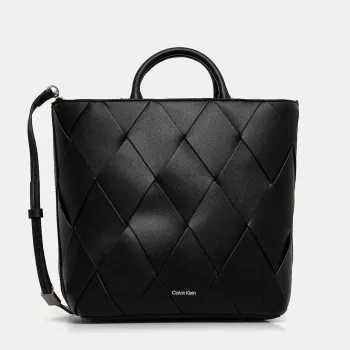
- Use your accessories as a “metal cue”: If you carry a polished hardware bag like the Calvin Klein Women’s Black Zip Tote Bag, match jewelry metal to the hardware for instant cohesion.
- Echo metals beyond outfits: If your space features warm metallic accents—like the Modern 2-Tier Faux Marble Coffee Table with Gold Metal Frame—gold jewelry can feel especially “at home” with your overall aesthetic (great for lifestyle photos and events at home).
FAQ
Can undertone change over time or with tanning?
Your surface tone can deepen with sun exposure, but undertone is relatively stable. If results feel inconsistent, retest in natural light and consider neutral-friendly options like mixed metals or softer finishes.
What if both gold and silver look good on me?
That often points to neutral (or sometimes olive) undertones. Choose based on outfit palette, contrast level, and finish, and build a small mixed-metal capsule for maximum versatility.
Is the guide a physical book or a digital download?
It’s a digital download that can be saved to your device and printed for personal use. After purchase, check the download link or order confirmation so you can access it right away.
Recommended for you

Should You Use Projector Auto Focus? When It Helps
May 19, 2026
Kiton Pointed-Toe Mesh Sneakers: Fit, Style, Care
May 19, 2026




Leave a comment