-
Shop
- Adidas
- Advanced Technologies
- Apple Accessories
- Best-Sellers
- Car Accessories
- Dating & Social Skills
- Digital Resources
- AI Skills
- Beauty
- Car Buying & Ownership
- Cozy Feast Collection
- Electronics & Technology
- Financial Education
- Hobbies
- Home Styling & Organization
- Mindset
- Online Business
- Parenting & Child Development
- Personal Style & Fashion
- Pet Lifestyle & Wellness
- Smart Life with AI
- Travel Planning
- Wellness
- Yoga & Fitness
- Education & Learning
- Family & Parenting
- Fashion
- Alexander McQueen
- Bags
- Bags & Wallets
- Balenciaga
- Belts
- Blazers
- Blouses & Shirts
- Bottega Veneta
- Brunello Cucinelli
- Burberry
- Chanel
- Chloé
- Dior
- Dolce & Gabbana
- Dresses
- Etro
- Fendi
- Gucci
- Hats & Hair Accessories
- Jacquemus
- Jewelry
- Jil Sander
- Keychains
- Kiton
- Luggage
- Luggage Bags
- Miu Miu
- Off-White
- Outerwear
- Prada
- Rick Owens
- Saint Laurent
- Socks & Tights
- The Row
- Tom Ford
- Valentino
- Valentino Garavani
- Versace
- Vivienne Westwood
- Watches
- Furniture
- Gadgets
- Health & Beauty
- Health & Wellness
- Home & Garden
- Kids & Babies
- Kitchen
- Lighting
- Patio, Lawn & Garden
- Personal Growth
- Pet Care
- Pet Supplies
- Pets
- Shoes
- Sport & Outdoors
- Stress Relief & Relaxation
- Travel
- Wealth
- Popular
- Best deals
Top 3 Dog Food Allergies: Beef, Chicken, Dairy
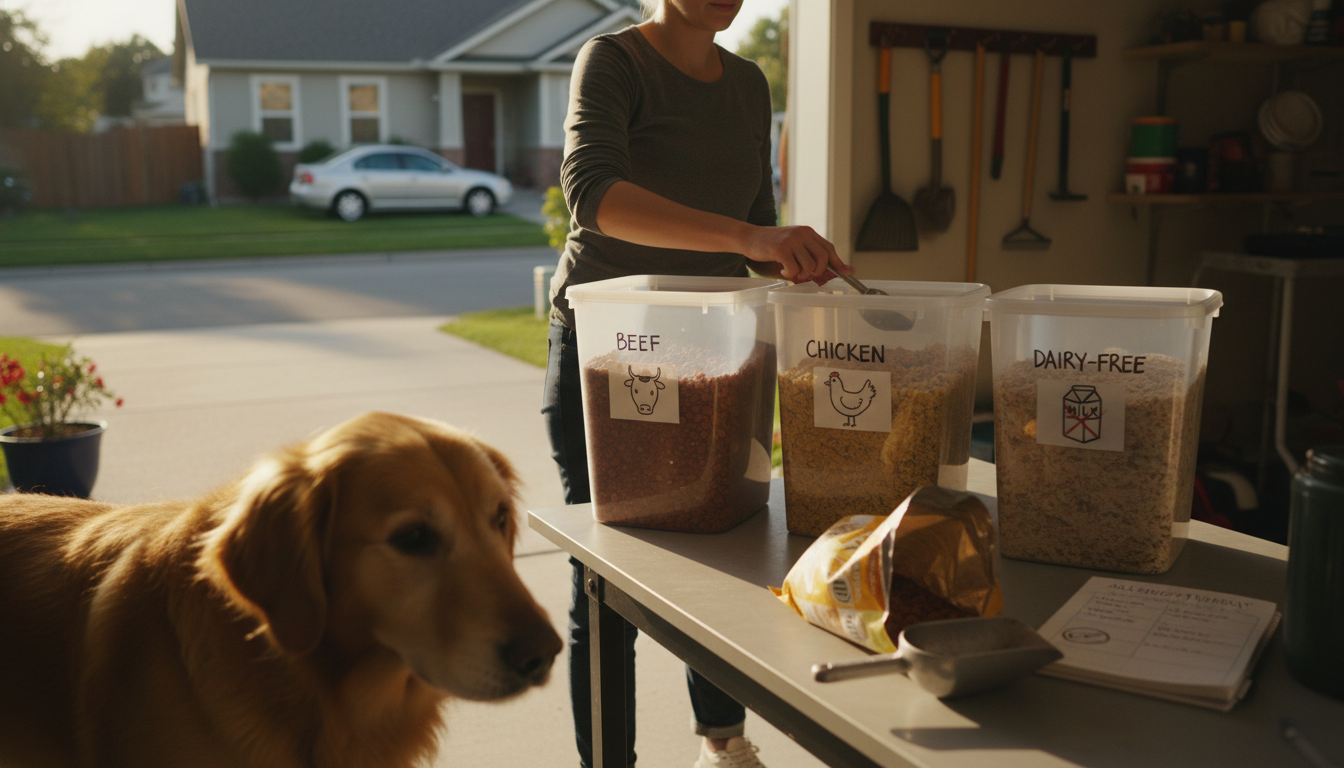
What are the top 3 food allergies in dogs?
Most true food allergies in dogs are triggered by proteins they’ve eaten repeatedly over time. While any ingredient can become a problem, three stand out as frequent culprits: beef, chicken, and dairy. If your dog develops itching, recurring ear infections, skin redness, or ongoing digestive upset after meals, these are often the first ingredients veterinarians consider during an evaluation.
1) Beef
Beef is widely used in kibble, canned food, treats, and even flavored medications, which increases exposure and the chance a sensitive dog reacts to it. Allergy signs may show up as year-round itchiness (especially paws, face, and belly), recurrent ear inflammation, or chronic diarrhea. Switching away from beef requires reading labels closely because beef fat, beef meal, and “natural flavor” can keep symptoms going.
2) Chicken
Chicken is another common protein in commercial dog foods, including “limited ingredient” formulas and many training treats. Dogs allergic to chicken can have similar symptoms to beef allergies—itching, hot spots, ear issues, and GI signs like soft stools or vomiting. Because chicken and turkey are both poultry, some dogs react to multiple poultry proteins, so a truly novel protein choice may matter.
3) Dairy
Dairy reactions can be caused by an immune response (allergy) or by lactose intolerance, and the symptoms can overlap. Dairy-associated problems often include loose stool, gas, vomiting, and sometimes itchiness. Common sources include cheese, yogurt, milk-based treats, and table scraps.
Confirming a food allergy usually involves an elimination diet with a strict, consistent food trial—then controlled reintroduction to pinpoint the trigger. For a practical walkthrough of symptoms, common pitfalls, and how elimination trials are typically structured, visit this guide on pet food sensitivity symptoms and elimination diets.
FAQ
How do I tell the difference between a food allergy and a food intolerance in dogs?
Food allergies tend to cause persistent skin and ear symptoms (itching, redness, recurring infections) and sometimes GI upset, while intolerances more often cause digestive issues like gas or diarrhea without strong skin signs. A veterinarian-guided elimination diet is the most reliable way to sort them out.
Recommended for you



7-Inch Smart Alarm Panel: WiFi + 4G, App & Voice
May 24, 2026







Leave a comment