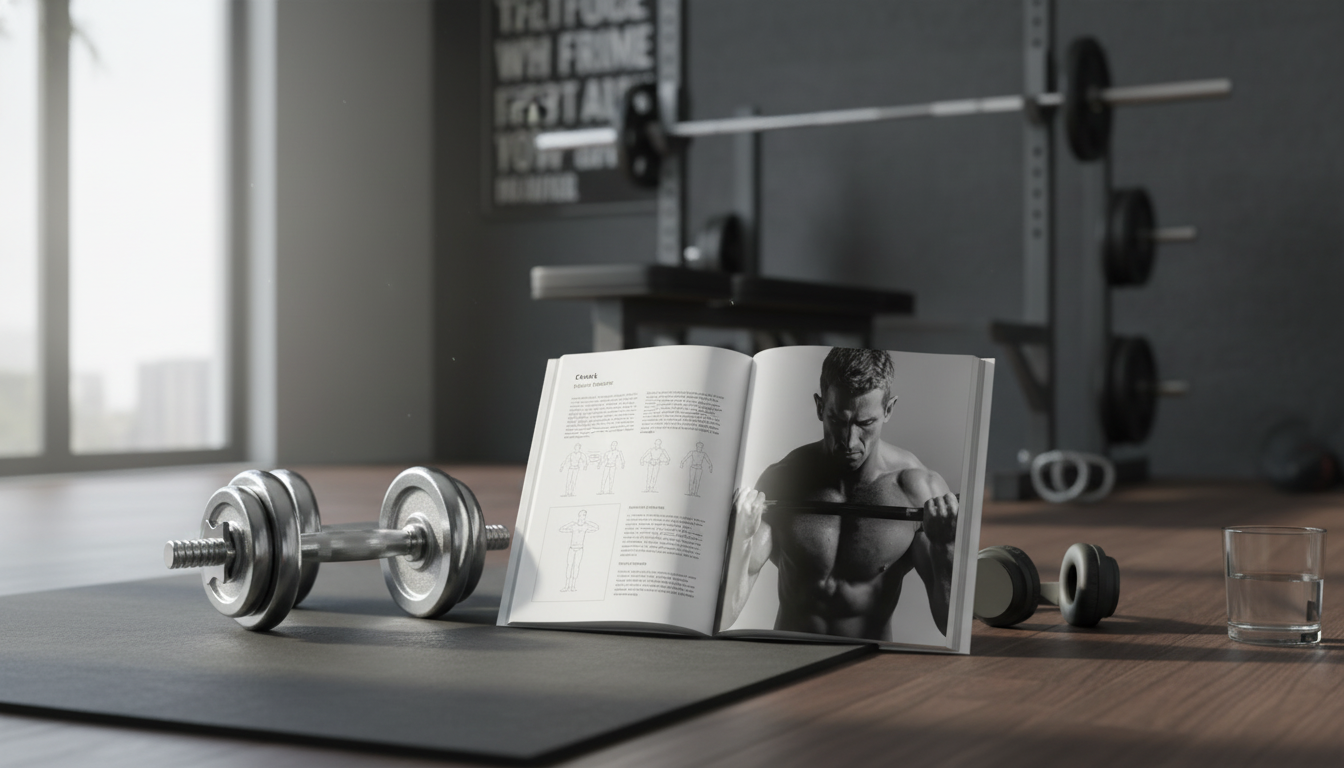
Building a chest that looks balanced and performs well comes down to smart exercise selection, consistent progression, and technique that targets the pecs—not just the shoulders and triceps. The goal isn’t to chase a bigger bench at any cost; it’s to train pressing angles that cover the full chest, add adduction-focused work for complete fiber recruitment, and progress in a way your joints can tolerate for months at a time.
A balanced chest is trained through multiple movement patterns and angles, not one favorite lift done endlessly. Most lifters do best when they intentionally cover these bases:
Small technique adjustments can shift a “shoulders and triceps” press into a pec-dominant press. Use these cues as checkpoints rather than rigid rules.
For additional exercise ideas and form visuals, the American Council on Exercise (ACE) chest exercise library is a helpful reference.
Build your workout by selecting one or two movements from each pattern. If you have limited equipment, prioritize a press plus one fly/cable-style movement (or a fly substitute like a squeeze press).
Consistency beats complexity. Pick a schedule you can run for 6–10 weeks, then adjust based on performance and recovery.
If you want a deeper dive into structured progression concepts, the NSCA education articles are a solid starting point.
| Day | Main focus | Exercises | Sets x reps | Rest |
|---|---|---|---|---|
| Day A | Strength + flat pressing | Bench press; Incline dumbbell press; Cable fly (mid); Optional push-up finisher | 4×4–6; 3×6–10; 3×10–15; 1–2xAMRAP | 2–3 min; 90–120 s; 60–90 s; 45–60 s |
| Day B | Upper chest + stretch emphasis | Incline press (machine or DB); Weighted dips or decline press; High-to-low cable fly; Pec deck or squeeze press | 4×6–10; 3×6–10; 3×12–20; 2×12–20 | 90–150 s; 90–150 s; 45–75 s; 45–75 s |
Plan deloads every 4–8 weeks by reducing volume (and sometimes load) to keep performance climbing and joints happier. For training and hypertrophy research summaries, you can browse peer-reviewed work via PubMed.
If a plug-and-play routine would make training easier to execute week after week, Chest Workouts Unlocked | Complete Ebook for Stronger, Defined, and Balanced Chest Training Routines is a digital guide built around stronger pressing, more defined pecs, and balanced development across angles. It’s $24.99 and currently in stock, and it can be used as a primary chest plan or slotted into an existing split.
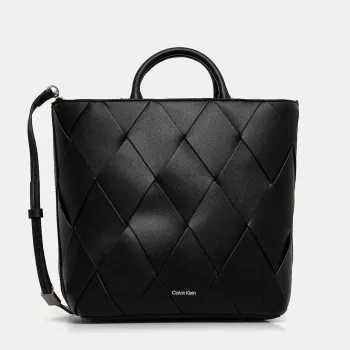
For lifters who like to keep training notes, straps, or small accessories in one place on gym days, the Calvin Klein Women’s Black Zip Tote Bag is another in-stock option that works well as an everyday carry.
Most people grow well training chest 1–3 times per week, as long as weekly volume lands around 10–20 challenging sets. Splitting that volume across two sessions often improves set quality and makes recovery easier.
Incline pressing isn’t strictly required, but it strongly biases the clavicular (upper) fibers of the pecs for many lifters. A 15–30° incline is a practical range; low-to-high cable presses are a great alternative if pressing angles bother your shoulders.
Common causes include excessive elbow flare, losing scapular control, or forcing depth past a comfortable range. Cleaning up your setup, using a brief pause, and swapping to dumbbell presses, machines, and controlled cable fly variations can reduce irritation while keeping the pecs working.






Leave a comment