-
Shop
- Adidas
- Advanced Technologies
- Apple Accessories
- Best-Sellers
- Car Accessories
- Dating & Social Skills
- Digital Resources
- AI Skills
- Beauty
- Car Buying & Ownership
- Cozy Feast Collection
- Electronics & Technology
- Financial Education
- Hobbies
- Home Styling & Organization
- Mindset
- Online Business
- Parenting & Child Development
- Personal Style & Fashion
- Pet Lifestyle & Wellness
- Smart Life with AI
- Travel Planning
- Wellness
- Yoga & Fitness
- Education & Learning
- Family & Parenting
- Fashion
- Alexander McQueen
- Bags
- Bags & Wallets
- Balenciaga
- Belts
- Blazers
- Blouses & Shirts
- Bottega Veneta
- Brunello Cucinelli
- Burberry
- Chanel
- Chloé
- Dior
- Dolce & Gabbana
- Dresses
- Etro
- Fendi
- Gucci
- Hats & Hair Accessories
- Jacquemus
- Jewelry
- Jil Sander
- Keychains
- Kiton
- Luggage
- Luggage Bags
- Miu Miu
- Off-White
- Outerwear
- Prada
- Rick Owens
- Saint Laurent
- Socks & Tights
- The Row
- Tom Ford
- Valentino
- Valentino Garavani
- Versace
- Vivienne Westwood
- Watches
- Furniture
- Gadgets
- Health & Beauty
- Health & Wellness
- Home & Garden
- Kids & Babies
- Kitchen
- Lighting
- Patio, Lawn & Garden
- Personal Growth
- Pet Care
- Pet Supplies
- Pets
- Shoes
- Sport & Outdoors
- Stress Relief & Relaxation
- Travel
- Wealth
- Popular
- Best deals
Beauty Ingredients Explained: Clean, Safe Routine Choices
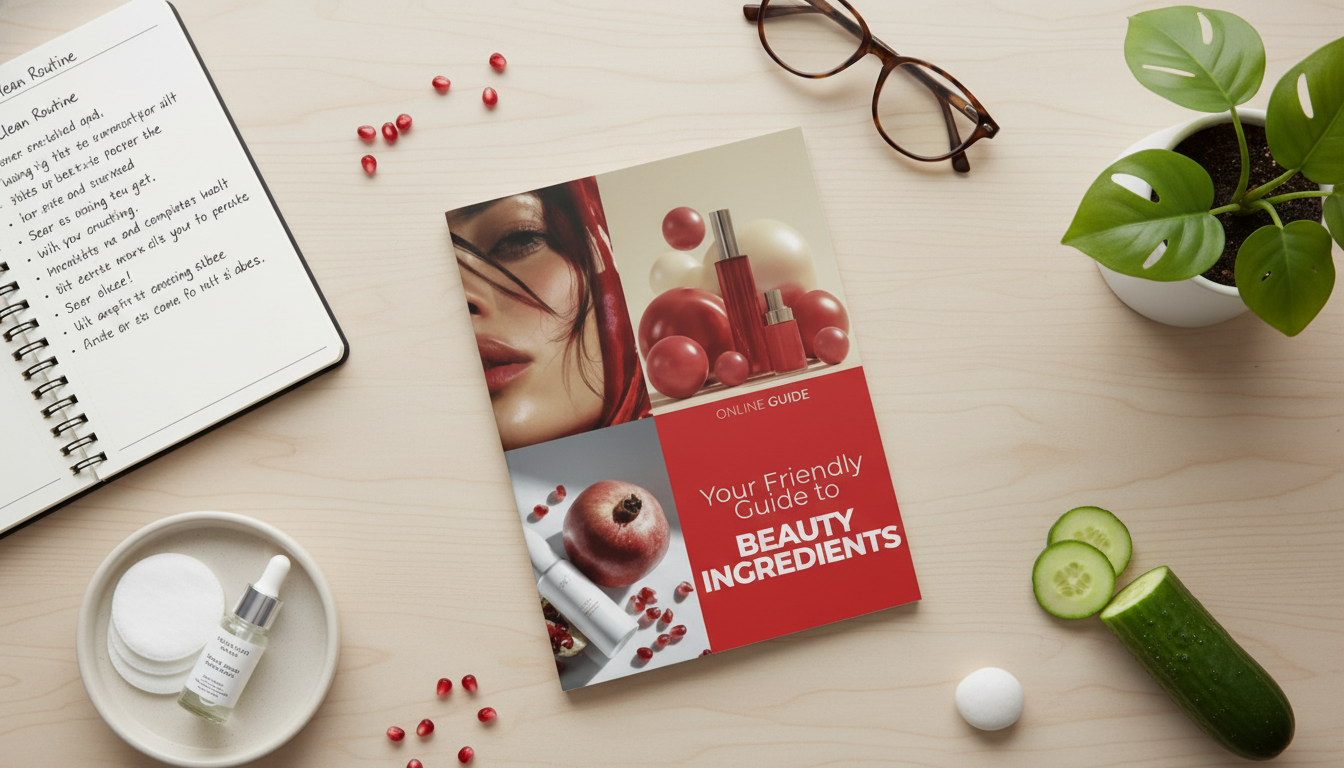
Your Friendly Guide to Beauty Ingredients: Safer Skincare, Makeup, and Clean Routine Choices
Ingredient lists can feel like a foreign language, and “clean” labels don’t always mean the same thing from brand to brand. This guide breaks down the most common beauty ingredients into plain-language categories—what they do, who may want to avoid them, and how to choose products that match skin needs and comfort levels without the overwhelm.
Start With the Label: How to Read an INCI List
Most skincare and makeup products use INCI (International Nomenclature of Cosmetic Ingredients), a standardized naming system that helps keep ingredient labeling consistent across brands and countries.
- Ingredients are listed by weight: the first 5–10 items usually make up most of the formula and tell you what the product “feels” like (gel, cream, balm, etc.).
- Names may look unfamiliar: INCI terms can be technical (for example, tocopherol is vitamin E).
- Fragrance can be tricky: it may appear as “fragrance/parfum,” and scent can also come from essential oils and aromatic extracts.
- “Free-from” claims aren’t a safety grade: what matters is the full formula and how your skin behaves over time.
For ingredient definitions and regulatory context, it’s helpful to cross-check credible sources like the FDA’s cosmetics ingredients page.
The Building Blocks: What Ingredients Usually Do
Most products are built from a few functional categories that determine performance, comfort, and stability.
- Humectants pull water into skin (glycerin, hyaluronic acid, panthenol).
- Emollients smooth and soften (squalane, fatty alcohols, plant oils).
- Occlusives reduce water loss (petrolatum, dimethicone, waxes).
- Cleansers/surfactants lift oil and debris (cocamidopropyl betaine, sodium cocoyl isethionate).
- Preservatives keep products safe from microbial growth (phenoxyethanol, sodium benzoate, potassium sorbate).
| Goal | Ingredient examples | Best for | Watch-outs |
|---|---|---|---|
| Hydrate | Glycerin, hyaluronic acid, panthenol | Dry, dehydrated, sensitized skin | Very dry climates may prefer layering with an occlusive |
| Support barrier | Ceramides, cholesterol, fatty acids | Compromised barrier, eczema-prone skin | Look for balanced blends, not ceramides alone |
| Smooth texture | Dimethicone, hydrogenated polyisobutene | Roughness, makeup wear, friction-prone areas | Some prefer silicone-free feel; not a safety issue for most |
| Brighten/exfoliate | Lactic acid, glycolic acid, salicylic acid | Dullness, uneven texture, clogged pores (BHA) | Start low/slow; avoid stacking with multiple strong actives |
| Preserve | Phenoxyethanol, sodium benzoate, potassium sorbate | All products containing water | Highly sensitive users may patch test; preservatives are essential for safety |
Ingredients Often Considered “Safer Bets” (When Formulated Well)
No ingredient is perfect for everyone, but some are frequently chosen for simpler, barrier-friendly routines.
- Barrier helpers: ceramides, niacinamide, panthenol, colloidal oatmeal.
- Gentle hydration: glycerin, beta-glucan, sodium PCA, aloe (not always soothing for everyone).
- Antioxidants: vitamin E (tocopherol), ferulic acid, green tea extract.
- Mineral UV filters: zinc oxide and titanium dioxide (often preferred for sensitive skin), with texture varying widely by formula.
If you’re building from scratch, a “fewer surprises” approach often means fragrance-free, consistent basics. The American Academy of Dermatology’s skin care basics is a solid reference for keeping routines simple and supportive.
Common Red Flags (Not Automatically “Bad,” but Worth Noticing)
- Fragrance/parfum and some essential oils: can trigger irritation in sensitive or compromised skin.
- Harsh or high-foaming surfactants: may feel stripping for dry skin; balanced formulas often use milder blends.
- Denatured alcohol: can be drying for some, yet helps elegant textures; placement on the list and surrounding ingredients matter.
- Strong actives: high-percentage acids, retinoids, and benzoyl peroxide can work well but require pacing and barrier support.
- Colorants and certain botanical extracts: can cause reactions in allergy-prone users; patch testing helps you spot patterns.
Skincare “Actives” Made Simple: Match the Ingredient to the Goal
Actives are ingredients used at effective levels to change how skin behaves—often great results, but less forgiving if piled on too quickly.
- Acne and clogged pores: salicylic acid (BHA), benzoyl peroxide, azelaic acid. Keep routines minimal to reduce irritation.
- Dark spots and uneven tone: vitamin C derivatives, niacinamide, azelaic acid, gentle exfoliants. Daily sunscreen is the make-or-break step.
- Fine lines and texture: retinoids and peptides. Start with lower frequency and moisturize consistently.
- Redness and sensitivity: colloidal oatmeal, panthenol, centella. Avoid stacking exfoliants and fragrance when skin feels reactive.
Makeup Ingredients: What Matters for Skin Comfort
- Wear and slip: base products often rely on film-formers and silicones; these are generally well-tolerated but can feel heavy for some.
- “Non-comedogenic” isn’t a guarantee: prioritize easy removal, a gentle cleanser, and watching how your skin responds over weeks.
- Breakouts in specific zones: if bumps cluster along the hairline or cheeks, check for heavier oils/waxes and simplify one product category at a time.
- Sensitive eyes: fragrance-free eye products and simpler mascara/liner formulas can be more comfortable.
Preservatives, “Clean” Labels, and Why Product Safety Depends on Them
Patch Testing and Routine Pacing for Smarter Choices
A Simple Ingredient-First Routine Blueprint
Helpful Picks (In Stock)
- Your Friendly Guide to Beauty Ingredients | Safe Beauty Ingredients Guide for Smarter Skincare, Makeup & Clean Routine Choices
- Calvin Klein Women’s Black Zip Tote Bag
FAQ
Are “clean beauty” products always safer for sensitive skin?
No—“clean” doesn’t have a universal definition, and some “clean” formulas still include fragrance or essential oils that can irritate reactive skin. Fragrance-free, simple formulas plus patch testing are usually more reliable than a label claim.
Is phenoxyethanol safe in skincare and makeup?
Phenoxyethanol is a widely used preservative that helps prevent contamination, and it’s typically used within established concentration limits. Some people can still be sensitive, so patch testing is a practical way to check personal tolerance.
What ingredients should be avoided during pregnancy?
Personal medical guidance matters most, so it’s best to ask a clinician, especially about treatment ingredients. Retinoids are commonly discussed for avoidance, while basic moisturizer and daily sunscreen are often preferred.
Recommended for you


Confidence Is My Outfit: Meaning & How to Use It
May 26, 2026
Stress Less, Live More eBook: Quick Calm & Self-Care
May 26, 2026







Leave a comment