-
Shop
- Adidas
- Advanced Technologies
- Apple Accessories
- Best-Sellers
- Car Accessories
- Dating & Social Skills
- Digital Resources
- AI Skills
- Beauty
- Car Buying & Ownership
- Cozy Feast Collection
- Electronics & Technology
- Financial Education
- Hobbies
- Home Styling & Organization
- Mindset
- Online Business
- Parenting & Child Development
- Personal Style & Fashion
- Pet Lifestyle & Wellness
- Smart Life with AI
- Travel Planning
- Wellness
- Yoga & Fitness
- Education & Learning
- Family & Parenting
- Fashion
- Alexander McQueen
- Bags
- Bags & Wallets
- Balenciaga
- Belts
- Blazers
- Blouses & Shirts
- Bottega Veneta
- Brunello Cucinelli
- Burberry
- Chanel
- Chloé
- Dior
- Dolce & Gabbana
- Dresses
- Etro
- Fendi
- Gucci
- Hats & Hair Accessories
- Jacquemus
- Jewelry
- Jil Sander
- Keychains
- Kiton
- Luggage
- Luggage Bags
- Miu Miu
- Off-White
- Outerwear
- Prada
- Rick Owens
- Saint Laurent
- Socks & Tights
- The Row
- Tom Ford
- Valentino
- Valentino Garavani
- Versace
- Vivienne Westwood
- Watches
- Furniture
- Gadgets
- Health & Beauty
- Health & Wellness
- Home & Garden
- Kids & Babies
- Kitchen
- Lighting
- Patio, Lawn & Garden
- Personal Growth
- Pet Care
- Pet Supplies
- Pets
- Shoes
- Sport & Outdoors
- Stress Relief & Relaxation
- Travel
- Wealth
- Popular
- Best deals
Best Day-Trip Bags: Light, Comfy & Easy to Organize

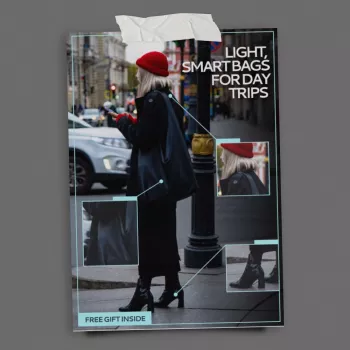
Light, Smart Bags for Day Trips: Easy Packing, Comfort, and Versatile Carry Options
Day trips work best with a bag that feels effortless to carry, keeps essentials organized, and adapts to changing plans—walking, transit, museums, cafés, and quick weather shifts. The goal is simple: bring what you’ll actually use, keep weight low, and make access fast when you’re on the move.
What a Day-Trip Bag Needs to Do
The best day-trip bags do a few things exceptionally well rather than trying to be everything at once.
- Carry essentials without encouraging overpacking: choose comfort-first capacity rather than “as big as possible.”
- Stay comfortable for 2–10 hours: breathable straps/back panel, stable fit, and a balanced load matter more than extra pockets.
- Keep grab-fast items accessible: phone, wallet, tickets, sanitizer, lip balm, sunglasses.
- Protect basics from weather and bumps: water-resistant fabric, covered zippers, and a padded tech sleeve if you’ll carry a tablet or camera.
- Offer smart organization without fuss: 1–2 main zones plus a few quick-access pockets is usually the sweet spot.
Choose the Right Bag Style for the Plan
Match the bag to the most demanding part of your day—usually the longest walking stretch or the most crowded environment.
- Small backpack: ideal for longer walking days, heavier loads, or when hands-free stability matters.
- Crossbody/sling: great for quick access and lighter kits; a go-to for markets, museums, and city wandering.
- Tote: perfect for flexible, open-top packing and frequent in/out stops, but can fatigue one shoulder if it gets heavy.
- Packable day bag: useful as a backup for souvenirs or extra layers; packs tiny but is typically less structured.
- Hybrid/convertible bag: switches between backpack/crossbody/hand carry to fit transit-to-dining transitions.
Day-Trip Bag Styles at a Glance
| Bag style | Best for | Typical carry comfort | Watch-outs |
|---|---|---|---|
| Small backpack (10–20L) | Long walking days, water + layers, hands-free travel | High (two straps distribute weight) | Can invite overpacking; check strap padding and back airflow |
| Sling/crossbody | Quick access, city days, minimal kit | Medium (one-shoulder load) | Can swing while walking; choose stabilizing strap or compact profile |
| Tote | Flexible packing, shopping, short strolls | Medium–low if heavy | One-shoulder strain; secure closures matter in crowded areas |
| Packable bag | Backup capacity, light layers | Varies | Less structure/padding; organize with pouches |
| Convertible | Mixed itinerary (walking + dining + transit) | High if straps are well-designed | Hardware adds weight; test comfort in each mode |
Sizing: How Much Capacity Is Enough?
Capacity is the quiet decision that shapes everything else: comfort, organization, and whether you end the day wishing you packed less.
- Minimal (2–7L): phone, wallet, keys, small water bottle (or buy as you go), compact charger, sunglasses.
- Balanced (8–14L): adds a light jacket, snacks, compact umbrella, small camera, paperback, and easier organization.
- All-day (15–20L): adds larger water, an extra layer, mini first-aid, kid essentials, or tech—prioritize comfort features so it still feels light.
Rule of thumb: pick the smallest size that fits your must-carry list plus one flexible “buffer” space for something unplanned (a souvenir, a pastry box, or a layer when the temperature drops).
Comfort Details That Matter More Than Looks
A good-looking bag that hurts after an hour is the wrong bag. For day trips, comfort features do most of the heavy lifting.
For a deeper overview of fit and pack choice basics, REI’s guidance on choosing a daypack is a helpful reference: REI Co-op Expert Advice: How to Choose a Daypack.
Smart Organization: Pack Fast, Find Everything
If your day trip includes flights or carry-on liquid rules, keep small liquids in an easy-to-reach pouch. For reference: TSA: 3-1-1 Liquids Rule.
Practical Packing Lists by Day-Trip Type
City walk + museums
Nature park + viewpoints
Water, sun protection, mini first-aid, light rain shell, insect protection where relevant, snack, and offline directions. General travel health reminders can be found here: CDC: Traveling Safely.
Family day
Shopping + cafés
Recommended Carry Options from In-Stock Picks
- Light, Smart Bags for Day Trips: a budget-friendly option focused on easy packing and everyday versatility; a solid fit for travelers who want a simple setup without overthinking compartments.
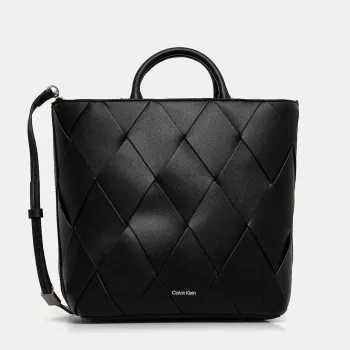
- Calvin Klein Women’s Black Zip Tote Bag: a structured tote with a zip closure for more secure city days; best for frequent in-and-out stops and a polished look.
Quick Match: Bag Choice by Itinerary
| Itinerary | Best carry style | Why it works | In-stock option to consider |
|---|---|---|---|
| All-day walking + transit | Light backpack or stable hybrid | Better weight distribution and less fatigue | Light, Smart Bags for Day Trips |
| Museums + cafés + short walks | Zip tote or compact crossbody | Fast access and easy set-down | Calvin Klein Women’s Black Zip Tote Bag |
| Mixed plans + unpredictable weather | Hybrid with pockets | Adapts as layers come on/off | Light, Smart Bags for Day Trips |
FAQ
What is the best type of bag for a full day of walking?
A small backpack or stable hybrid is usually best because two-strap carry distributes weight and reduces fatigue. Look for lightly padded straps, a breathable back panel, and pack heavier items close to the back for better balance.
How can a day-trip bag stay light without forgetting essentials?
Use a fixed must-carry list and a simple 3-zone organization setup (quick access, main compartment, rarely needed). Choosing the smallest capacity that still fits water and a layer helps prevent “just in case” overpacking.
Is a tote bag practical for day trips?
Yes—especially for short walks and frequent stops—if it has a secure closure and at least one inner pocket for valuables. Keep the load light to avoid shoulder strain, and shift heavier items closer to your body.
Recommended for you

Budgeting Like a Pro: Zero-Based, 50/30/20, and Debt
May 25, 2026





Leave a comment