
High-value vintage finds usually look ordinary at first glance. The difference between a great score and a pass often comes down to a fast, repeatable inspection: identifying era clues, maker marks, materials, condition, and real-world demand. Use the checklist below to scan quickly in the field, then confirm value with a few reliable pricing steps before buying.
| What to check | How to check quickly | Why it matters |
|---|---|---|
| Maker’s mark or label | Look on bottoms, backs, inside pockets, under lids, on hardware | A known maker/designer can dramatically raise resale value |
| Material authenticity | Magnet test for some metals, hallmarks for silver, grain for leather, weight for glass/ceramic | Avoid paying premium for reproductions or low-grade substitutes |
| Build quality | Check joins, stitching, edges, screws, and symmetry | Higher craftsmanship often tracks with better brands and longer-lasting demand |
| Condition red flags | Run fingertips along edges; inspect corners, stress points, and smells | Hidden damage can cost more to fix than the item is worth |
| Completeness | Confirm lids, cords, remotes, inserts, sets, and matching pieces | Missing components can cut value; complete sets often command a premium |
When you’re trying to place an object’s design language (not just its label), cross-checking broad style timelines can help. The Metropolitan Museum of Art’s Heilbrunn Timeline of Art History is a solid way to sanity-check materials, motifs, and period silhouettes.
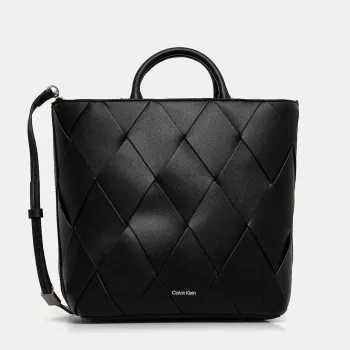
Look for authentic serial codes/heat stamps, quality lining, consistent stitching, and period-correct hardware. Check high-stress points (handle bases, corners, zipper tape) first—those areas reveal both authenticity and how hard the bag’s been used. If you want a modern, everyday reference point for construction details (stitching consistency, zipper feel, edge paint), compare with a current bag like the Calvin Klein Women’s Black Zip Tote Bag.
Signed works, small-run prints, and iconic design movements are often undervalued in mixed lots. For furniture and décor, evaluate “shape + scale + build”: a well-proportioned piece in a sought-after silhouette can outperform a fussy one, even if both are technically old. If you’re outfitting a space while you hunt, a contemporary anchor like the Modern 2-Tier Faux Marble Coffee Table with Gold Metal Frame can help you avoid impulse-buying bulky vintage pieces that don’t fit your room’s footprint.
When you need a research starting point for antiques and collectibles pricing references, the Smithsonian Libraries and Archives can help you locate reputable price guides and background resources.
If you want a ready-to-use field reference that mirrors the scan-and-verify approach, keep the Vintage Treasure Hunter: How to Spot High-Value Vintage Items – Ultimate Checklist Guide for Collectors handy for quick checks, red flags, and buy/no-buy prompts.
Check sold comparables on major marketplaces and match the maker, model, material, size, and color as closely as possible. Then adjust downward for flaws or missing pieces and confirm edge cases with specialty price guides or collector communities.
Pieces with steady demand and easy authentication tend to do best—recognized designer accessories, complete collectible toys and games, mid-century décor, quality silver/brass items, and brand-name audio gear. Strong condition and completeness usually matter more than age alone.






Leave a comment