-
Shop
- Adidas
- Advanced Technologies
- Apple Accessories
- Best-Sellers
- Car Accessories
- Dating & Social Skills
- Digital Resources
- AI Skills
- Beauty
- Car Buying & Ownership
- Cozy Feast Collection
- Electronics & Technology
- Financial Education
- Hobbies
- Home Styling & Organization
- Mindset
- Online Business
- Parenting & Child Development
- Personal Style & Fashion
- Pet Lifestyle & Wellness
- Smart Life with AI
- Travel Planning
- Wellness
- Yoga & Fitness
- Education & Learning
- Family & Parenting
- Fashion
- Alexander McQueen
- Bags
- Bags & Wallets
- Balenciaga
- Belts
- Blazers
- Blouses & Shirts
- Bottega Veneta
- Brunello Cucinelli
- Burberry
- Chanel
- Chloé
- Dior
- Dolce & Gabbana
- Dresses
- Etro
- Fendi
- Gucci
- Hats & Hair Accessories
- Jacquemus
- Jewelry
- Jil Sander
- Keychains
- Kiton
- Luggage
- Luggage Bags
- Miu Miu
- Off-White
- Outerwear
- Prada
- Rick Owens
- Saint Laurent
- Socks & Tights
- The Row
- Tom Ford
- Valentino
- Valentino Garavani
- Versace
- Vivienne Westwood
- Watches
- Furniture
- Gadgets
- Health & Beauty
- Health & Wellness
- Home & Garden
- Kids & Babies
- Kitchen
- Lighting
- Patio, Lawn & Garden
- Personal Growth
- Pet Care
- Pet Supplies
- Pets
- Shoes
- Sport & Outdoors
- Stress Relief & Relaxation
- Travel
- Wealth
- Popular
- Best deals
Printable Spend Less Checklist: Weekly Money-Saving Plan
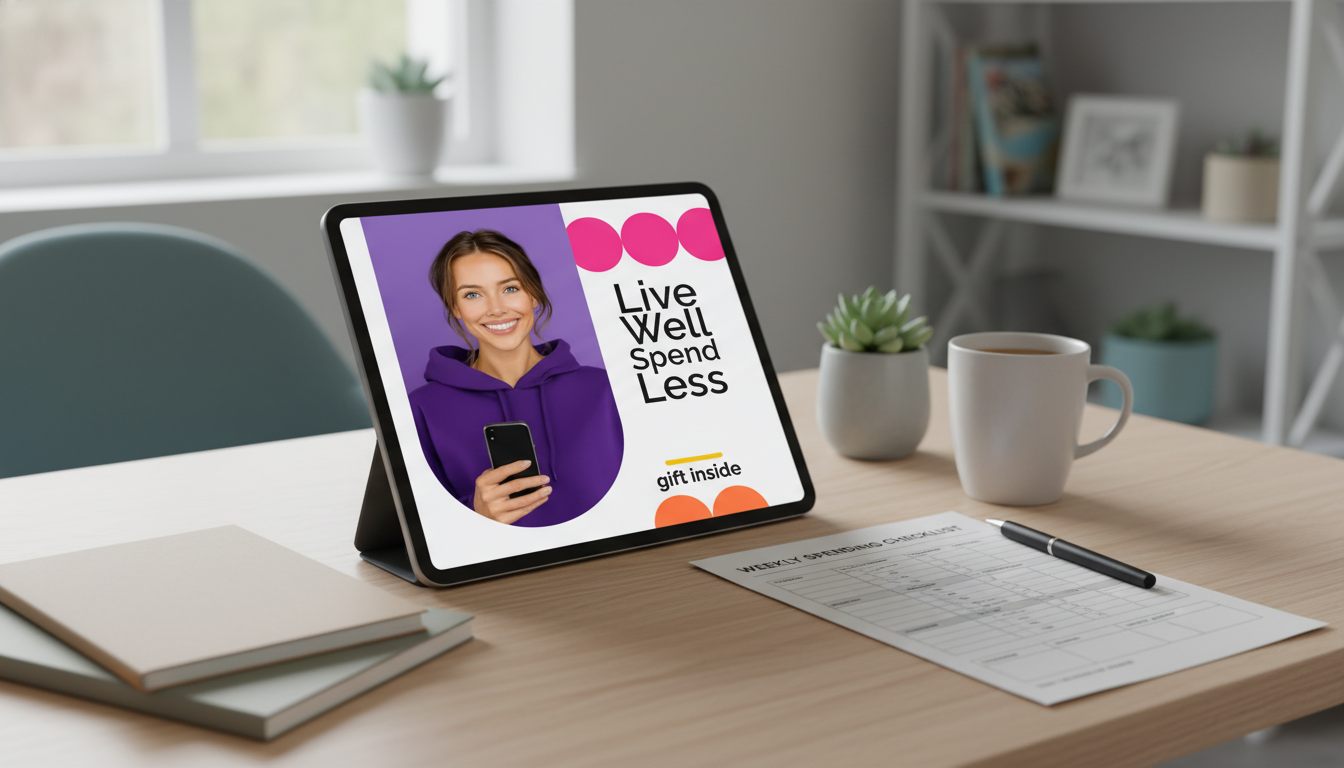
The Live Well, Spend Less Checklist: A Printable Planner for Smarter Everyday Choices
Small, repeatable choices—tracked in one place—can reduce wasteful spending without making life feel restrictive. A printable checklist planner turns “good ideas” into actions you can actually follow, whether you’re working on groceries, bills, debt, or everyday spending leaks.
If you want a simple tool that’s easier to stick with than a complicated spreadsheet, The Live Well, Spend Less Checklist printable planner (digital download) is designed for quick wins and steady progress—without the all-or-nothing pressure.
What this checklist planner is made to solve
- Silent spending leaks: subscription renewals, convenience fees, and impulse add-ons that feel small—until they stack up.
- Decision fatigue: a checklist gives you a clear next step when motivation is low and life is busy.
- Inconsistent routines: short daily/weekly habits are often easier to maintain than strict budgeting systems.
- “Lifestyle overhaul” burnout: it supports affordable living changes without forcing a total reset of your routines.
For extra context and budgeting basics, the Consumer Financial Protection Bureau’s budgeting resources offer practical guidance that pairs well with a simple checklist approach.
What’s included and how to use it (digital or printed)
- Digital download format: easy to save, print, and reprint as needed.
- Flexible setup: use it as a fridge-friendly reminder, binder insert, or tablet-friendly document.
- Visible progress system: try a highlighter method (green = done, yellow = in progress, red = revisit) to make momentum obvious at a glance.
- Less paper chaos: pair it with one simple folder for receipts, bills, and “follow-up” notes so loose documents don’t disappear.
Want a grab-and-go way to keep paperwork together when you’re out handling errands or appointments? A roomy, secure bag like the Calvin Klein Women’s Black Zip Tote Bag can double as a portable “money admin” kit—receipts, return labels, and a small notebook included.
A simple weekly rhythm that keeps spending under control
The goal isn’t to watch money every hour. It’s to create one dependable reset that prevents drift.
- Choose one weekly “money moment” (10–20 minutes): review your checklist, update what’s coming up, and pick one priority.
- Plan meals and snacks before shopping: a short plan can reduce last-minute takeout and food waste.
- Check upcoming bills and due dates: preventing late fees often matters as much as cutting spending.
- Set one realistic limit for the week: choose a flexible category (dining out, convenience snacks, entertainment) and keep it simple.
- Do a monthly subscription scan: cancel anything unused and remove “free trial” reminders before they turn into charges.
If you like using benchmarks to sanity-check food spending, the USDA Cost of Food Reports can be a helpful reference point when you’re adjusting grocery goals.
Checklist categories that typically create the biggest wins
Most households don’t need 30 new rules. They need a few targeted habits in the right places.
- Groceries: shop a list, compare unit prices, and don’t shop hungry.
- Household bills: review insurance, internet, and phone plans; negotiate or shop around on a schedule.
- Debt and interest: prioritize high-interest balances and avoid avoidable fees.
- Everyday spending: use a 24-hour pause rule for non-essentials to reduce impulse buys.
- Lifestyle upgrades: try low-cost swaps (library holds, free local events, DIY repairs) that still feel like living—not “going without.”
Quick-start checklist: high-impact actions and how often to do them
| Action | Frequency | Why it helps |
|---|---|---|
| Plan 3–5 low-cost meals before shopping | Weekly | Cuts food waste and reduces expensive last-minute orders |
| Review bank and card transactions for “surprise” charges | Weekly | Catches fees, duplicates, and forgotten subscriptions early |
| Set a spending cap for one flexible category (e.g., dining out) | Weekly | Prevents small splurges from snowballing |
| Compare one bill or provider (internet, phone, insurance) | Monthly | Finds savings without changing daily routines |
| Create a short list of “approved treats” under a set amount | Monthly | Keeps morale up while maintaining boundaries |
Printing and setup tips for a system that actually gets used
If you’re building a small home “command center,” a stable surface can make routine check-ins feel automatic. A piece like the Modern 2-Tier Faux Marble Coffee Table with Gold Metal Frame can give you a dedicated spot for a basket of mail, a folder for bills, and a tray for the tools you use weekly.
Making it sustainable: small rules that reduce friction
For income changes or tax-related surprises that can throw off your plan, the IRS Tax Withholding Estimator can help you check whether your withholding is on track.
Who this works best for
Common mistakes to avoid
Get the printable checklist planner
The Live Well, Spend Less Checklist printable planner (digital download) is a practical way to turn good intentions into a routine you can repeat—even on busy weeks.
FAQ
Is this checklist better for beginners than a traditional budget spreadsheet?
It can be, because checklists reduce decision fatigue and make it easier to build habits fast. It also complements a simple budget by turning goals into weekly actions, and it still works well when income is irregular because you can focus on the next best step instead of perfect forecasting.
Can it be used on a tablet, or does it need to be printed?
Either works. You can annotate the file in a PDF app on a tablet, or print it for high visibility—especially if placing it where spending decisions happen (kitchen, desk, or by the mail).
How quickly can results show up?
Some results can appear within the first week—like catching subscriptions, avoiding late fees, or reducing takeout with quick meal planning. Bigger gains usually show up over the next month as you compare bills, negotiate providers, and make the routines consistent.
Recommended for you



Nurturing Communication Examples: What to Say & Why
May 21, 2026
Free Google SEO: 6 Steps to Boost Visibility Fast
May 21, 2026







Leave a comment