
Smart pet feeders can remove a surprisingly common kind of daily friction: missed meals when meetings run late, “Did you feed them?” confusion in shared homes, and inconsistent portions that quietly add calories over time. At the same time, they introduce a new device to maintain—one that can jam, need cleaning, or depend on settings you have to get right. The best way to decide is to match the feeder to your routine and your pet’s eating behavior, not to the flashiest feature list.
The biggest shift is consistency. A smart feeder automates portioned meals on a schedule, which can reduce accidental overfeeding and irregular feeding times. Many models also let you make changes remotely through an app—useful when traffic hits, travel delays happen, or multiple people share pet-care duties.
Another practical upside is visibility: logs and notifications can help you notice missed meals or unusual eating patterns sooner than you might otherwise. That said, smart feeders don’t replace the fundamentals: fresh water, enrichment and exercise, safe food storage, or a consistent diet plan tailored to your pet.
| Situation | Smart feeder benefit | Potential downside | Best feature to prioritize |
|---|---|---|---|
| Unpredictable schedule | Meals stay consistent even when plans change | App dependence if remote changes are common | Reliable scheduling + offline/manual fallback |
| Weight management | More accurate portions than “eyeballing” a scoop | Calibration can be needed for different kibble sizes | Portion control + meal history/logs |
| Two pets, different needs | Helps prevent double-feeding and missed feedings | May not stop one pet from stealing another’s food | Microchip/ID access or separate feeding zones |
| Frequent short trips | Reduces reliance on neighbors for basic meals | Not a substitute for daily wellness checks | Large hopper + jam alerts + backup power |
| Tech-averse household | Can still automate meals with basic programming | Notifications/apps may frustrate users | Simple interface + physical controls |
For diabetic or medically managed pets, timing and portions should match veterinary instructions and include a manual contingency plan for outages or device failure. If you feed wet or fresh foods, hygiene becomes stricter; timed wet feeders with ice packs can be a better fit than a kibble hopper. For broader safety guidance on handling and storing pet food, see the FDA’s pet food safety resources and nutrition basics from the American Veterinary Medical Association (AVMA).
If you want a tighter comparison checklist before buying, Smart Pet Feeders Worth It or Not – A Practical Guide helps you shortlist essentials first (reliability, cleaning, portioning), then decide whether extras like cameras matter.
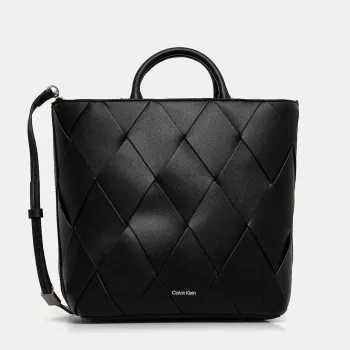
For day-to-day setup, it can also help to create a stable “feeding station” area near an outlet and away from roughhousing zones. A sturdy surface nearby can make measuring portions and refilling less messy; some households pair their routine with a general-purpose home piece like the Modern 2-Tier Faux Marble Coffee Table with Gold Metal Frame. And if your pet’s food and travel items tend to scatter, a dedicated carry-all like the Calvin Klein Women’s Black Zip Tote Bag can keep a scoop, backup food bags, and sitter notes together.
Many models keep the feeding schedule stored locally, so timed meals can still dispense without Wi‑Fi. However, remote changes, alerts, and activity logs often require an internet connection, so it’s important to confirm offline scheduling and physical/manual controls before relying on one.
They can be safe and helpful for portion consistency when the device is easy to clean and the food stays fresh. Pets that eat too fast, have medical timing needs, or compete with other pets may require added supervision, separated feeding areas, or a different feeder style recommended by a veterinarian.
Wash the bowl frequently (often every few days, or sooner if it gets oily or dirty) and wipe down food-contact areas to prevent residue buildup. Clean the hopper and chute periodically based on kibble oiliness and humidity—more often if you notice clumping, stale smells, or dispensing issues.





Leave a comment