-
Shop
- Adidas
- Advanced Technologies
- Apple Accessories
- Best-Sellers
- Car Accessories
- Dating & Social Skills
- Digital Resources
- AI Skills
- Beauty
- Car Buying & Ownership
- Cozy Feast Collection
- Electronics & Technology
- Financial Education
- Hobbies
- Home Styling & Organization
- Mindset
- Online Business
- Parenting & Child Development
- Personal Style & Fashion
- Pet Lifestyle & Wellness
- Smart Life with AI
- Travel Planning
- Wellness
- Yoga & Fitness
- Education & Learning
- Family & Parenting
- Fashion
- Alexander McQueen
- Bags
- Bags & Wallets
- Balenciaga
- Belts
- Blazers
- Blouses & Shirts
- Bottega Veneta
- Brunello Cucinelli
- Burberry
- Chanel
- Chloé
- Dior
- Dolce & Gabbana
- Dresses
- Etro
- Fendi
- Gucci
- Hats & Hair Accessories
- Jacquemus
- Jewelry
- Jil Sander
- Keychains
- Kiton
- Luggage
- Luggage Bags
- Miu Miu
- Off-White
- Outerwear
- Prada
- Rick Owens
- Saint Laurent
- Socks & Tights
- The Row
- Tom Ford
- Valentino
- Valentino Garavani
- Versace
- Vivienne Westwood
- Watches
- Furniture
- Gadgets
- Health & Beauty
- Health & Wellness
- Home & Garden
- Kids & Babies
- Kitchen
- Lighting
- Patio, Lawn & Garden
- Personal Growth
- Pet Care
- Pet Supplies
- Pets
- Shoes
- Sport & Outdoors
- Stress Relief & Relaxation
- Travel
- Wealth
- Popular
- Best deals
Suburban Car Ownership: Pros, Cons, and True Monthly Cost
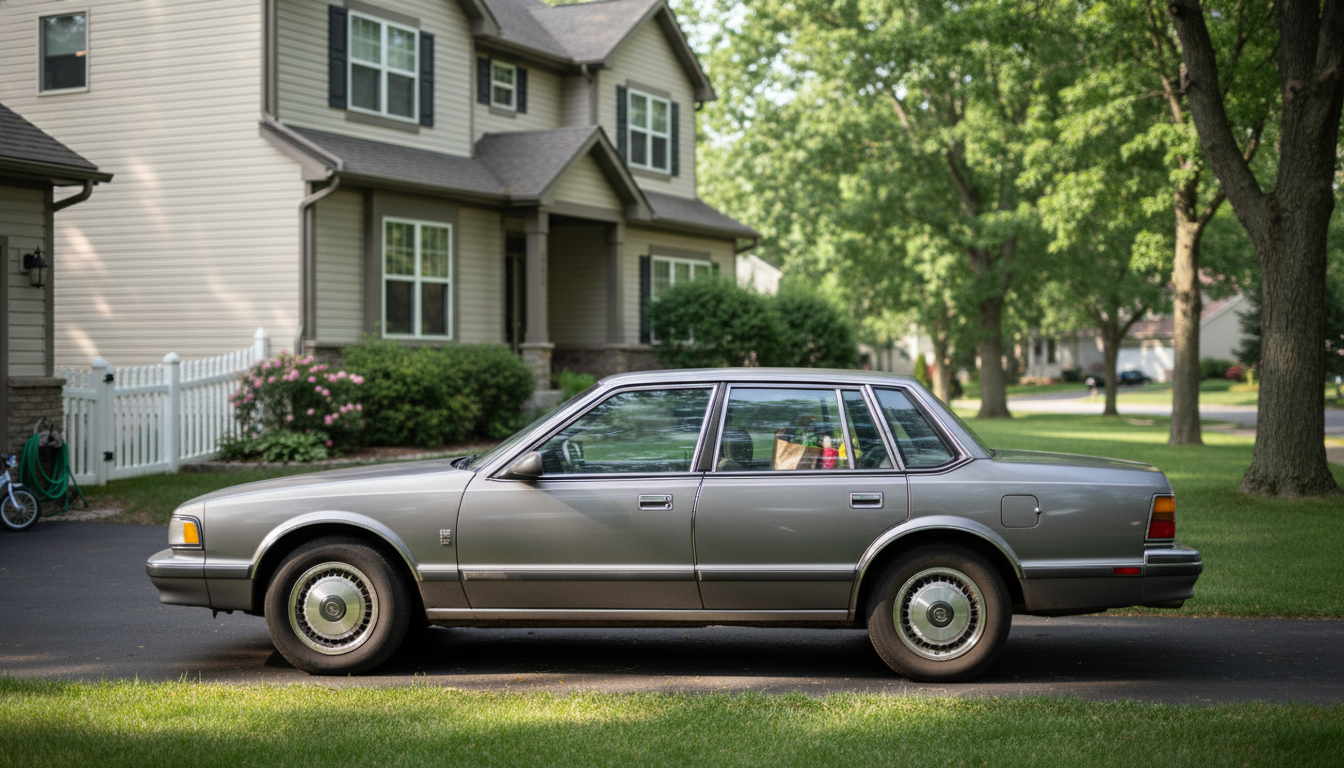
Suburban Car Life Explained: A Practical Guide to the Pros, Cons, and Real Costs
Owning a car in the suburbs can feel non-negotiable, but the tradeoffs are more nuanced than “freedom vs. expense.” The suburban routine often rewards convenience and flexibility—yet the true monthly cost (and the stress that comes with it) can surprise even experienced drivers. Below is a practical breakdown of why cars become the default, what you gain, what you give up, and how to decide whether full-time ownership really fits your household.
Why cars become the default in many suburbs
Most suburbs are built around distance. Homes, schools, grocery stores, and workplaces are often spread out, and the routes between them may not be comfortable—or even possible—on foot. Public transit can exist but still feel “not usable” when frequency is low, stops are far away, or a missed connection adds 30 minutes.
Driving also supports errand-chaining: one loop can cover school drop-off, a pharmacy pickup, groceries, and an appointment. Add weather (heat, snow, heavy rain) and safety concerns on higher-speed roads, and even short trips can default to a car. Unlike dense urban neighborhoods, parking at home is typically simple, which lowers the friction to drive “just this once” until it becomes everyday behavior.
The biggest advantages of owning a car in the suburbs
A car offers control over time. Instead of planning around a bus schedule—or waiting for rideshare availability—you can leave when you’re ready and adjust on the fly. That flexibility expands access to job markets, specialized healthcare, trades, and stores that may not be nearby.
Cars also solve practical problems: carrying capacity for weekly grocery runs, sports equipment, strollers, and home-improvement supplies. For families, a vehicle smooths the multi-stop reality of suburban life, where pickup and drop-off plans change by the hour. And when something urgent happens—an illness, a last-minute school call, a late-night pharmacy run—having your own car can reduce response time when alternatives are limited.
The real downsides that show up month after month
The most common surprise is cost. Many households focus on the payment and fuel, but the “all-in” number grows when insurance, registration, maintenance, repairs, and depreciation are included. AAA’s annual estimates are a useful reality check because they account for categories drivers tend to ignore (AAA: Your Driving Costs).
Time costs don’t disappear just because you drive. Peak-hour congestion, school-zone delays, and parking-lot bottlenecks can turn a “quick errand” into a daily drag. There’s also a reliability risk: one breakdown can disrupt work, childcare, and medical appointments. Over time, driving more can reduce built-in walking and add sedentary minutes, while higher vehicle miles traveled can increase household emissions. If fuel economy is a priority, compare models and drivetrain options using FuelEconomy.gov.
A practical cost checklist (what to budget beyond the car payment)
To budget accurately, separate expenses into buckets: fixed costs that show up regardless of miles driven, variable costs that scale with use, maintenance that is predictable but easy to postpone, and “surprises” that aren’t optional when they arrive. Depreciation is the silent cost—money you don’t hand over monthly, but value you still lose over time.
Typical car-ownership cost buckets (use as a monthly budgeting template)
| Cost bucket | Examples | How to estimate |
|---|---|---|
| Fixed | Payment/lease, insurance, registration, roadside plan | Use annual totals ÷ 12 for steady monthly planning |
| Usage-based | Fuel/charging, tolls, paid parking | Track a normal month of miles and multiply by local prices |
| Maintenance | Oil changes, filters, brakes, tires, alignments | Set aside a monthly sinking fund based on vehicle age and mileage |
| Unexpected | Repairs, towing, deductible after incidents | Keep a separate buffer for surprises; replenish after use |
| Depreciation | Loss of value over time | Treat as a real cost when comparing car vs. alternatives |
When owning a car is worth it (and when it isn’t)
Smarter suburban car life: ways to reduce cost and stress without giving up mobility
If you want a deeper, decision-focused walkthrough—without theory—see Suburban Car Life Explained – Practical eBook. It’s built around budgeting, routines, and realistic tradeoffs for suburban households.
Everyday suburban scenarios (quick decision guide)
For commuting and errand days, a practical carry option can reduce “car clutter” and keep essentials organized. The Calvin Klein Women’s Black Zip Tote Bag is a simple, everyday choice for stashing paperwork, chargers, and on-the-go items without juggling loose bags.
A practical ebook for making the decision (and living with it well)
If you’re moving to the suburbs, adding a driver to the household, or reconsidering a second vehicle, decision clarity matters more than vehicle hype. Suburban Car Life Explained – Practical eBook lays out the real pros and cons, shows how to budget beyond the payment, and offers ways to lower cost and stress while keeping mobility intact.
For broader context on how Americans travel—and how transportation patterns shape daily life—data from the U.S. Department of Transportation, Bureau of Transportation Statistics can be helpful when comparing “normal” driving levels to your own household.
FAQ
What are the cons of living in a suburban area?
Suburban life often comes with car dependence, longer distances between daily destinations, and limited transit coverage, which can increase transportation costs and reduce flexibility for households without reliable vehicles.
What are some disadvantages of living in a suburban area?
Commute times can vary with traffic, many errands aren’t walkable, and families may feel pressure to maintain multiple vehicles. Driving more can also lead to lifestyle tradeoffs like less routine movement and more time spent sitting.









Leave a comment