-
Shop
- Adidas
- Advanced Technologies
- Apple Accessories
- Best-Sellers
- Car Accessories
- Dating & Social Skills
- Digital Resources
- AI Skills
- Beauty
- Car Buying & Ownership
- Cozy Feast Collection
- Electronics & Technology
- Financial Education
- Hobbies
- Home Styling & Organization
- Mindset
- Online Business
- Parenting & Child Development
- Personal Style & Fashion
- Pet Lifestyle & Wellness
- Smart Life with AI
- Travel Planning
- Wellness
- Yoga & Fitness
- Education & Learning
- Family & Parenting
- Fashion
- Alexander McQueen
- Bags
- Bags & Wallets
- Balenciaga
- Belts
- Blazers
- Blouses & Shirts
- Bottega Veneta
- Brunello Cucinelli
- Burberry
- Chanel
- Chloé
- Dior
- Dolce & Gabbana
- Dresses
- Etro
- Fendi
- Gucci
- Hats & Hair Accessories
- Jacquemus
- Jewelry
- Jil Sander
- Keychains
- Kiton
- Luggage
- Luggage Bags
- Miu Miu
- Off-White
- Outerwear
- Prada
- Rick Owens
- Saint Laurent
- Socks & Tights
- The Row
- Tom Ford
- Valentino
- Valentino Garavani
- Versace
- Vivienne Westwood
- Watches
- Furniture
- Gadgets
- Health & Beauty
- Health & Wellness
- Home & Garden
- Kids & Babies
- Kitchen
- Lighting
- Patio, Lawn & Garden
- Personal Growth
- Pet Care
- Pet Supplies
- Pets
- Shoes
- Sport & Outdoors
- Stress Relief & Relaxation
- Travel
- Wealth
- Popular
- Best deals
Travel More, Scroll Less: Social Media Break Checklist
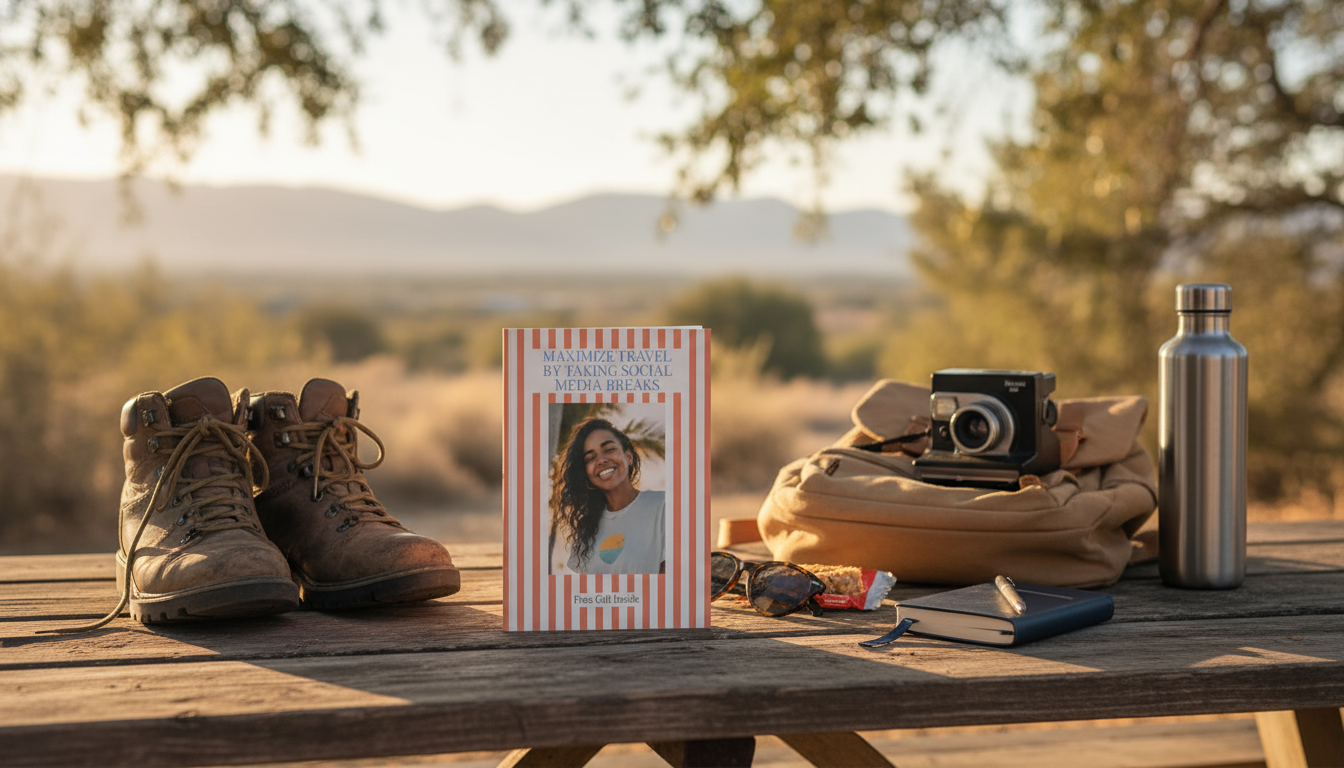
Maximize Travel by Taking Social Media Breaks: A Digital Checklist to Enjoy Travel More
Constant posting, checking, and comparing can quietly turn a trip into a content sprint. A planned social media break helps protect attention for the moments that matter—food, conversations, streets you’ve never walked, and the feeling of being somewhere new. This guide explains how to set realistic boundaries, what to do instead of scrolling, and how to use a simple digital checklist to stay present without missing essentials.
Why social media can shrink a trip
Social media rarely ruins travel in one dramatic moment; it thins it out in dozens of small interruptions. The result is less rest, less noticing, and more pressure.
- Attention gets split: navigation, safety, and enjoyment compete with notifications and the urge to document everything.
- Time expands around the phone: “quick checks” easily become 10–30 minute loops that replace wandering, resting, or chatting.
- Experience becomes performative: choices drift toward what photographs well rather than what feels meaningful.
- Memory can suffer: constant capturing can reduce deep encoding of sights, sounds, and details.
- Comparison steals satisfaction: seeing others’ highlights while traveling can create pressure to “do more” instead of enjoying what’s already happening.
If stress and overstimulation have been creeping into trips, it helps to remember that the body responds to ongoing stress in real, physical ways (see the American Psychological Association’s overview of stress effects). A calmer phone routine isn’t about being “more disciplined”—it’s about reducing avoidable triggers.
Set a social media plan that still feels realistic
A workable break is specific enough to follow and flexible enough to survive real life: delayed trains, rainy afternoons, and the occasional bored wait in line.
- Pick a trip goal: rest, connection, adventure, learning, or celebration—use it to decide what deserves attention.
- Choose your break style: full logout, limited windows, or “camera only” days (photos allowed, posting later).
- Create posting windows: one short slot daily (or every other day) prevents constant checking while keeping family updated.
- Decide the non-negotiables: messaging for safety, maps, tickets, banking, and emergency contacts can stay available.
- Tell key people: set expectations with travel companions and close contacts so the boundary feels supported, not awkward.
To make the plan feel tangible (and not like a vague promise), many travelers use a simple written checklist. The printable, phone-friendly option Maximize Travel by Taking Social Media Breaks: A Digital Checklist to Enjoy Travel More is designed to keep the boundary easy to repeat each day.
The digital checklist: prep before leaving
The best time to reduce scrolling is before you’re tired, hungry, or overstimulated. A few setup tweaks create “friction” that makes mindless checking less likely.
- Turn off non-essential notifications for social and news apps; keep only critical alerts (banking, travel updates).
- Log out of social apps or remove them from the home screen; place them in a folder labeled “Later.”
- Download what replaces scrolling: offline maps, transit apps, language packs, reservations, museum tickets, and guide PDFs.
- Set up “focus” modes: create a Travel Focus profile that blocks social apps during key hours.
- Plan a capture workflow: take photos freely, but move posting to a scheduled time or after returning home.
Quick setup checklist (15 minutes)
| Step | What to do | Time |
|---|---|---|
| Notifications | Disable social/news alerts; keep travel/safety alerts | 3 min |
| App access | Log out or move social apps off home screen | 3 min |
| Offline tools | Download maps, tickets, translation, reservations | 5 min |
| Focus mode | Create a Travel Focus schedule and app limits | 3 min |
| Posting plan | Choose one daily window or “post later” rule | 1 min |
On-the-trip boundaries that protect the moment
Boundaries work best when they’re tied to natural transitions in a day, not random bursts of willpower.
Small mindfulness practices can make those “arrival hours” feel richer without adding anything complicated. The National Center for Complementary and Integrative Health summarizes how mindfulness supports attention and stress reduction—useful when travel feels loud, fast, and notification-heavy.
What to do instead of scrolling (so the break sticks)
Even small reductions in social media can improve how people feel. Research summarized by the University of Pennsylvania found that limiting social media use was linked to decreases in loneliness and depression—an encouraging signal for travelers trying to protect their mood while away.
Capture memories without turning travel into a feed
Use the digital checklist to stay consistent
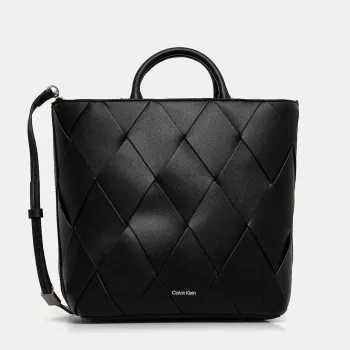
For a practical “essentials close” option, a structured tote like the Calvin Klein Women’s Black Zip Tote Bag can help keep tickets, a pen, and a small notebook accessible—so you’re not constantly unlocking your phone just to find basic info.
Helpful add-ons for a calmer trip
A small “home base” can also reduce pre-trip doomscrolling. If you like to print confirmations or lay out gear in one place, the Modern 2-Tier Faux Marble Coffee Table with Gold Metal Frame offers a clean surface for planning and a lower shelf to keep documents or organizers together.
FAQ
Should social media be deleted or just limited while traveling?
Either can work: logging out or deleting is often best for short trips or strong “autopilot” habits, while focus modes and scheduled windows tend to feel more realistic on longer trips. Keep messaging, maps, and emergency essentials available for safety.
How can photos be taken without getting pulled into posting?
Use a “camera now, share later” approach: take photos, save them to a private album by day, and post only during one small window (or after you’re home). The one-minute photo rule helps you capture quickly and then return to the scene.
What if travel companions want to post constantly?
Agree on a few phone-light moments (meals, the first hour in a new place) and let the rest be personal choice. If it helps, ask them to collect photos for a shared drop later so you’re not pressured to participate in real time.
Recommended for you


One Automatic Litter Box for 3 Cats: Does It Work?
May 25, 2026
Family Connect Explained: Simple Daily Check-Ins
May 25, 2026







Leave a comment