-
Shop
- Adidas
- Advanced Technologies
- Apple Accessories
- Best-Sellers
- Car Accessories
- Dating & Social Skills
- Digital Resources
- AI Skills
- Beauty
- Car Buying & Ownership
- Cozy Feast Collection
- Electronics & Technology
- Financial Education
- Hobbies
- Home Styling & Organization
- Mindset
- Online Business
- Parenting & Child Development
- Personal Style & Fashion
- Pet Lifestyle & Wellness
- Smart Life with AI
- Travel Planning
- Wellness
- Yoga & Fitness
- Education & Learning
- Family & Parenting
- Fashion
- Alexander McQueen
- Bags
- Bags & Wallets
- Balenciaga
- Belts
- Blazers
- Blouses & Shirts
- Bottega Veneta
- Brunello Cucinelli
- Burberry
- Chanel
- Chloé
- Dior
- Dolce & Gabbana
- Dresses
- Etro
- Fendi
- Gucci
- Hats & Hair Accessories
- Jacquemus
- Jewelry
- Jil Sander
- Keychains
- Kiton
- Luggage
- Luggage Bags
- Miu Miu
- Off-White
- Outerwear
- Prada
- Rick Owens
- Saint Laurent
- Socks & Tights
- The Row
- Tom Ford
- Valentino
- Valentino Garavani
- Versace
- Vivienne Westwood
- Watches
- Furniture
- Gadgets
- Health & Beauty
- Health & Wellness
- Home & Garden
- Kids & Babies
- Kitchen
- Lighting
- Patio, Lawn & Garden
- Personal Growth
- Pet Care
- Pet Supplies
- Pets
- Shoes
- Sport & Outdoors
- Stress Relief & Relaxation
- Travel
- Wealth
- Popular
- Best deals
Vintage French Medieval Pendant Light Styling & Sizing Tips
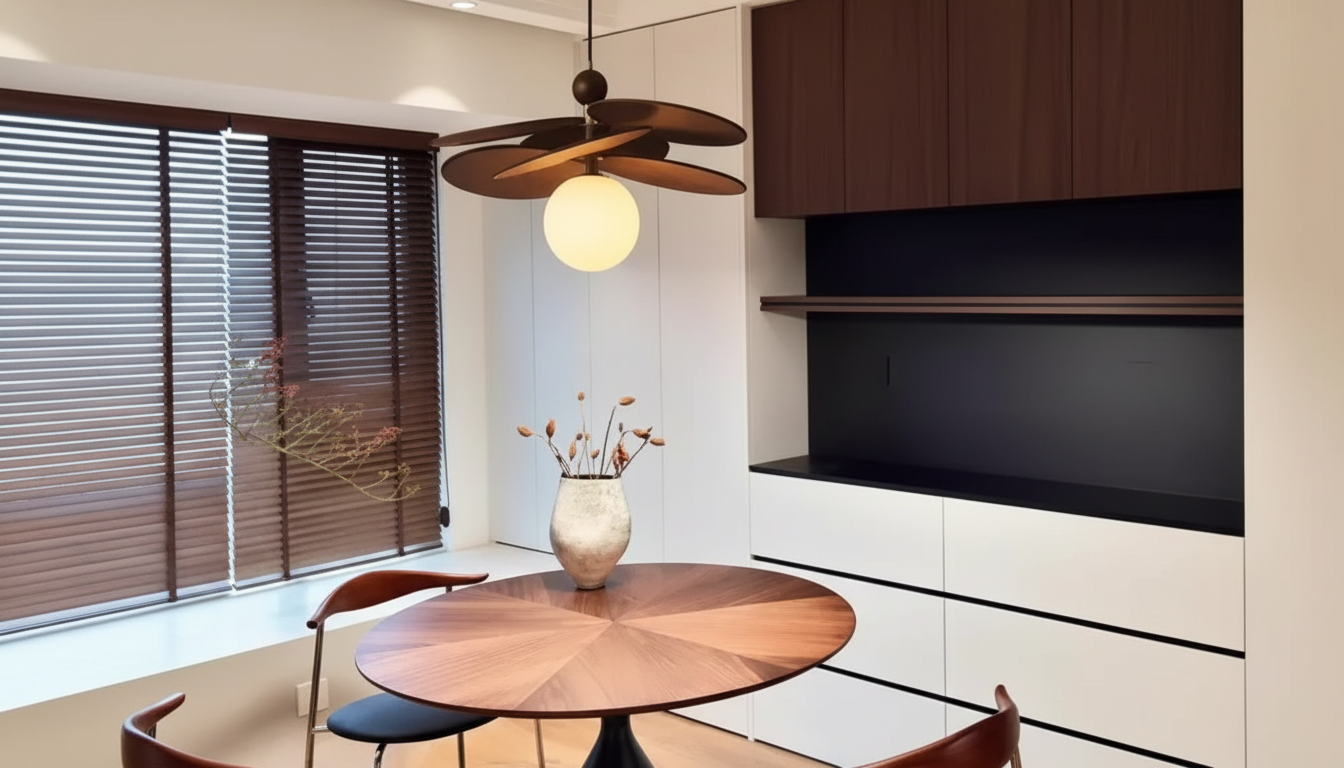
Vintage French Medieval Pendant Light: Old-World Atmosphere for Modern Rooms
A medieval-inspired French pendant can shift the entire mood of a room—casting a warm glow through sculptural metalwork and adding that “collected over time” character—without requiring a full period renovation. The key is choosing an authentic-looking silhouette, sizing it correctly, and pairing it with finishes that feel intentional instead of costume-like.
What Makes a French Medieval Pendant Feel Authentic
The most convincing medieval-style pendants borrow their presence from lanterns, torchlight, and hand-forged hardware. Look for these defining details when comparing fixtures:
- Arched, lantern-like silhouettes and forged-metal forms that read as hand-worked rather than machine-sharp.
- Candle-style bulbs or faux-candle sockets that echo candelabra proportions.
- Darkened finishes (antique black, aged bronze, distressed iron) that absorb light and add depth.
- Decorative construction details like rivets, scrollwork, chain suspension, or open cage frames that create patterned shadows.
- Warm color temperature lighting (typically 2200K–2700K) so the room feels intimate instead of clinical.
For background on the era’s visual language—ornament, craftsmanship, and dramatic contrast—see the overview of medieval art at Encyclopaedia Britannica.
Best Rooms and Styling Ideas
Medieval pendants work best where the fixture can be “the moment,” while the rest of the room stays calm and livable.
Entryway or foyer
A lantern pendant in an entry instantly creates a castle-hall mood. Pair it with a stone-look console, a simple framed print set, or an antique-style mirror to reinforce the old-world feeling without clutter.
Dining table
Centered over the table, a medieval pendant reads as dramatic but grounded. It’s especially effective with linen runners, pottery, and aged wood—French country softness with medieval structure.
Kitchen island
Over a smaller island, one statement lantern can be enough. For larger islands, multiples can work if you keep other hardware understated so the room doesn’t feel overly “themed.”
Stairwell
Lantern forms love vertical space. A longer drop can create striking sightlines from multiple floors—just plan clearances carefully along the traffic path.
Bedroom
Use a medieval pendant as an alternative to a chandelier. Balance the metalwork with textiles—wool, velvet, and linen—to keep the room inviting rather than heavy.
Sizing, Drop Length, and Placement Basics
Medieval pendants tend to have strong visual weight, so scale and placement matter as much as style.
- Choose diameter by room scale: smaller rooms need a tighter silhouette; tall ceilings can handle larger, more open frames.
- Set hanging height over tables so sightlines stay clear while the fixture still feels close and atmospheric.
- Align to architecture: center it with the table, island, or stair landing to avoid visual drift.
- Chain-hung fixtures: confirm how many links can be removed or added so you can fine-tune the drop after install.
- Plan glare control: open-frame lanterns look best with frosted bulbs or lower-lumen filament bulbs when viewed at eye level.
Quick Placement Guide for Pendant Lights
| Location | Typical clearance | Practical tip |
|---|---|---|
| Dining table | Bottom of fixture about 30–36 in above tabletop | Keep the fixture centered and scaled to table width |
| Kitchen island | Bottom about 30–36 in above countertop | Use warmer bulbs to prevent a harsh work-light feel |
| Entryway | At least 7 ft above finished floor (or higher for tall households) | If ceilings are high, extend the drop to avoid a “floating dot” look |
| Stairwell | Maintain head clearance along traffic path | Aim the visual center of the lantern toward the middle of the vertical space |
Materials, Finishes, and Bulbs That Match the Era
To keep the look believable, let materials do the storytelling—then use the right bulb to finish the effect.
- Metal body: iron and iron-look alloys create the most convincing medieval character; seek textured, hammered, or patinated surfaces.
- Glass (if present): seeded or lightly tinted panes feel more historical than perfectly clear modern glass.
- Bulb shape: candle bulbs (B10/B11) and filament styles complement lantern cages; avoid ultra-cool LEDs.
- Brightness control: use dimmable bulbs and a compatible dimmer so you can move from dinner ambience to practical light.
- Color temperature: 2200K–2700K keeps the glow candle-like; higher temperatures can flatten antique finishes.
For practical guidance on efficient lighting and LED options, the U.S. Department of Energy’s LED lighting resource is a solid reference point.
Pairing the Pendant with Modern Decor (Without a Theme-Park Look)
A medieval pendant can look surprisingly sharp in modern homes when the room feels edited. Instead of adding more “old stuff,” aim for contrast and repetition.
One easy way to modernize the look is to pair the pendant’s dark metal with a lighter, cleaner anchor piece—like the Modern 2-Tier Faux Marble Coffee Table with Gold Metal Frame—so the room feels layered rather than locked into a single period.
Care, Cleaning, and Long-Term Upkeep
Featured Piece: Vintage French Medieval Pendant Light
If you want one fixture to deliver that old-world French medieval character quickly, the Vintage French Medieval Pendant Light is designed as a statement for dining areas, entries, and high-ceiling rooms. It shines (literally) with warm, dimmable bulbs that emphasize shadow play and metal texture, and it pairs best with aged wood, stone-look surfaces, dark metals, and neutral textiles for a balanced, timeless result. Before ordering, confirm dimensions, hanging hardware, and bulb base compatibility on the product page so the scale and drop fit your space.
For visual reference on period clothing textures and layers that often inspire medieval palettes (wool, linen, leather tones), Wikimedia Commons hosts a broad archive of medieval clothing imagery.
FAQ
What did medieval French people wear?
Clothing varied by era, region, and status, but many peasants wore practical wool or linen tunics with simple cloaks, while nobility used finer wool and sometimes silk in layered garments with belts and decorative trims. Colors, fasteners, and ornament generally became more elaborate as wealth increased.
Recommended for you

Best Jeans for Every Body Type: Hourglass to Apple
May 22, 2026
Full-Size Keyboards: 100%, 104-Key, or 105-Key?
May 23, 2026


Leave a comment