-
Shop
- Adidas
- Advanced Technologies
- Apple Accessories
- Best-Sellers
- Car Accessories
- Dating & Social Skills
- Digital Resources
- AI Skills
- Beauty
- Car Buying & Ownership
- Cozy Feast Collection
- Electronics & Technology
- Financial Education
- Hobbies
- Home Styling & Organization
- Mindset
- Online Business
- Parenting & Child Development
- Personal Style & Fashion
- Pet Lifestyle & Wellness
- Smart Life with AI
- Travel Planning
- Wellness
- Yoga & Fitness
- Education & Learning
- Family & Parenting
- Fashion
- Alexander McQueen
- Bags
- Bags & Wallets
- Balenciaga
- Belts
- Blazers
- Blouses & Shirts
- Bottega Veneta
- Brunello Cucinelli
- Burberry
- Chanel
- Chloé
- Dior
- Dolce & Gabbana
- Dresses
- Etro
- Fendi
- Gucci
- Hats & Hair Accessories
- Jacquemus
- Jewelry
- Jil Sander
- Keychains
- Kiton
- Luggage
- Luggage Bags
- Miu Miu
- Off-White
- Outerwear
- Prada
- Rick Owens
- Saint Laurent
- Socks & Tights
- The Row
- Tom Ford
- Valentino
- Valentino Garavani
- Versace
- Vivienne Westwood
- Watches
- Furniture
- Gadgets
- Health & Beauty
- Health & Wellness
- Home & Garden
- Kids & Babies
- Kitchen
- Lighting
- Patio, Lawn & Garden
- Personal Growth
- Pet Care
- Pet Supplies
- Pets
- Shoes
- Sport & Outdoors
- Stress Relief & Relaxation
- Travel
- Wealth
- Popular
- Best deals
Windproof Folding Triple Camping Rack: Stable Outdoor Cooking
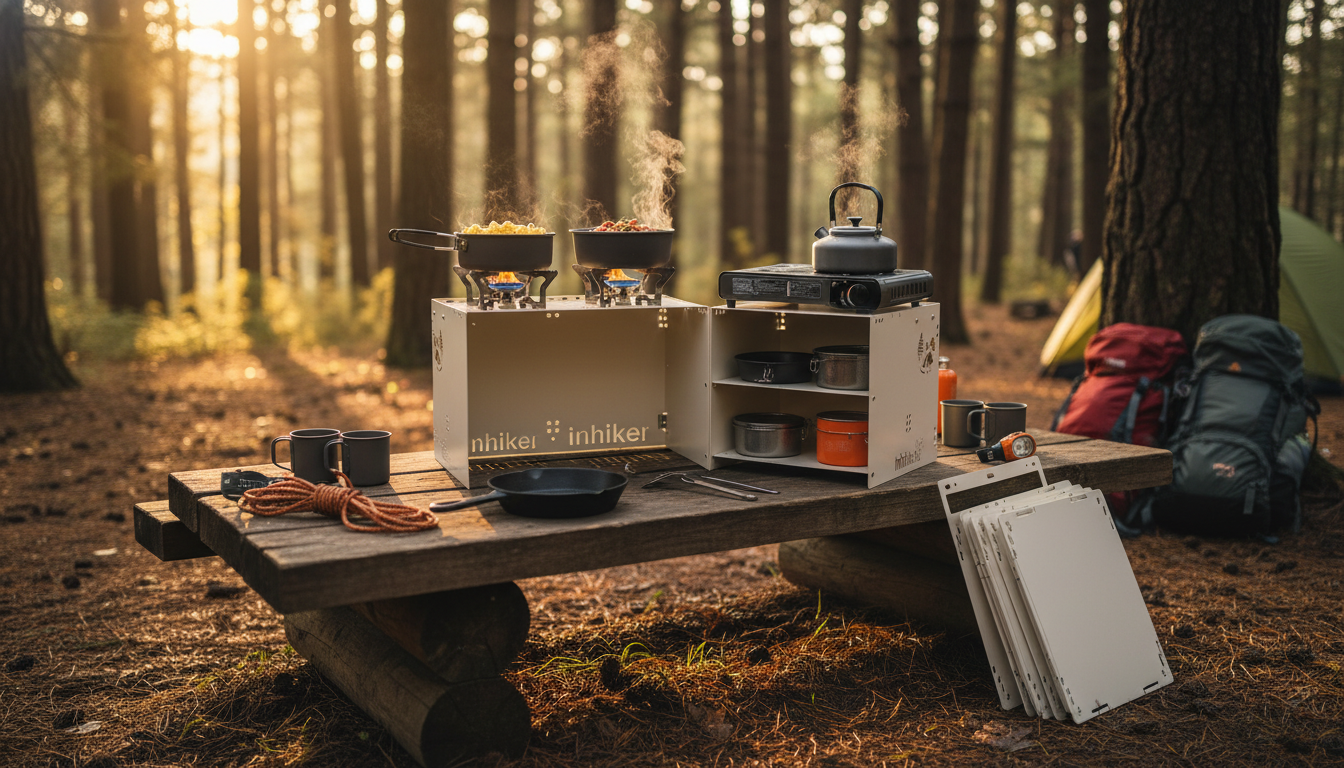
Portable Folding Windproof Triple Camping Rack with Thickened Aluminum Panels
A stable outdoor cooking setup comes down to two things: dependable support for cookware and better control of wind. A portable folding triple camping rack pairs thickened aluminum panels with a multi-burner-friendly layout, creating a compact station that helps shield flames, organize pots, and keep cooking gear off uneven ground at camp, on the beach, or during tailgates.
What a triple camping rack does well
When meals move outside, the “kitchen” can quickly sprawl across a picnic table, a tailgate, or the ground. A triple-lane rack creates structure—so you can cook with fewer wobbles, fewer collisions between handles, and less wind interference.
- Creates a designated cooking zone for a 2–3 burner layout (depending on stove size), reducing clutter on picnic tables and ground tarps.
- Wind panels help steady flames, improving boil times and fuel efficiency in breezy conditions.
- Raises cookware off the ground to reduce dirt contamination and improve ergonomics.
- Folding form factor supports quicker setup and more predictable packing than improvised windbreaks.
- Useful as a prep-and-cook station: one lane for stove, one for pots, one for utensils/ingredients.
Common outdoor cooking setups vs. a folding windproof rack
| Setup | Wind control | Stability on uneven ground | Packability | Best use |
|---|---|---|---|---|
| Stove on bare ground | Low | Medium (depends on soil/rocks) | High | Quick solo meals in calm weather |
| Stove on picnic table | Low–Medium | High (flat surface) | High | Campgrounds with tables |
| DIY foil windscreen + ground stove | Medium | Medium | Medium | Lightweight trips; short cooks |
| Portable folding windproof triple rack | Medium–High | High (when leveled correctly) | Medium–High | Group cooking and windy locations |
Key features that matter in real campsite conditions
Outdoor cooking gear looks similar at a glance, but small design choices can feel huge once the wind kicks up or the ground gets uneven. These are the details that typically make a triple rack more predictable to cook on.
- Thickened aluminum panels: Built to handle repeated heating/cooling cycles and resist warping better than thin sheet metal when gusts and high heat combine.
- Windproof side panels: Cuts cross-breeze impact on burner flames, helping maintain consistent heat for simmering and boiling.
- Triple-lane layout: Separates stove, cookware, and prep items so handles overlap less and tipping risk drops.
- Folding design: Easier transport for car camping, overlanding, and tailgates where a sturdier station matters more than ultralight minimalism.
- Surface management: Aluminum is typically simpler to wipe clean after grease splatter than fabric or painted panels.
Setup tips for better wind protection and safer cooking
Wind panels help most when they’re oriented correctly and used with good airflow. Keep the goal in mind: calmer flame behavior without trapping heat or fumes.
- Face the wind: Position the tallest panels toward the prevailing wind; rotate in small increments until the flame stabilizes.
- Leave ventilation: Avoid fully enclosing fuel-burning stoves. Maintain airflow to reduce carbon monoxide risk and prevent overheating of stove components.
- Level the base: On gravel or sand, flatten the footprint first to reduce rocking when stirring or moving pots.
- Protect fuel: Keep fuel canisters and spare fuel upwind and away from direct heat reflection from the panels.
- Match pot sizes to lanes: Use cookware that fits comfortably so handles don’t press into panels or stick out into walkways.
For broader safety reminders, review guidance from the National Park Service on campfire safety and the CDC’s carbon monoxide prevention resources. Minimizing fire impacts is also part of responsible outdoor cooking, as outlined by Leave No Trace.
Where this rack fits best: camping styles and use cases
A folding triple rack is most useful when conditions are unpredictable—wind, sand, crowded tables, or a group that needs multiple pots moving at once.
Care, cleaning, and storage
Product snapshot and buying notes
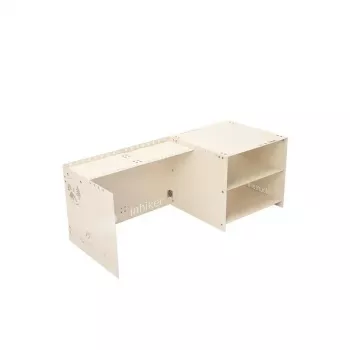
The Portable Folding Windproof Triple Camping Rack with Thickened Aluminum Panels is designed for a more controlled outdoor cooking area with improved wind management. It’s a strong match for cooks who want steadier flames and organized lanes more than ultralight packability.
Quick checklist before ordering
| Checklist item | Why it matters |
|---|---|
| Stove dimensions | Ensures the stove sits securely without overhang |
| Typical pot diameter | Prevents handles and rims from contacting wind panels |
| Primary conditions (windy vs. sheltered) | Determines how valuable wind protection will be |
| Packing space | Folding racks are compact, but still larger than foil windscreens |
Other in-stock picks that pair well with outdoor hosting
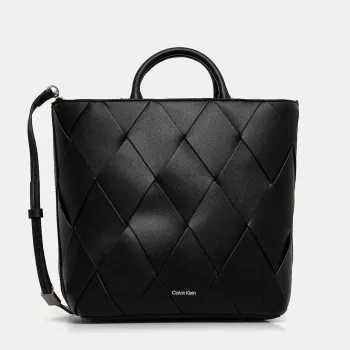
- Calvin Klein Women’s Black Zip Tote Bag for keeping small essentials corralled (utensils, napkins, spice kit, lighters) when moving between car, table, and cook area.
- Modern 2-Tier Faux Marble Coffee Table with Gold Metal Frame as a home patio or backyard staging surface when testing gear, packing bins, or setting up a serving area before heading out.
FAQ
Does a windproof panel system make a noticeable difference for camp stoves?
Yes—reducing crosswinds helps stabilize the flame, which can improve boil times and make simmering less finicky. Keep airflow in mind: don’t fully enclose a fuel-burning stove, and always cook with adequate ventilation.
Is thickened aluminum better than thin sheet metal for a camping windbreak rack?
Thicker aluminum is typically stiffer and less prone to bending or warping after repeated heat cycles, which can feel more secure in gusty conditions. It also stays relatively lightweight compared to steel while offering better long-term durability than very thin panels.
How should the rack be positioned for the best wind protection?
Face the tallest panels into the prevailing wind, then rotate the setup in small increments until the flame burns steadily. Place the rack on a leveled surface and keep fuel canisters away from reflected heat coming off the panels.
Recommended for you

Measure for Prada Batista Squared Shirt: Size Guide
May 27, 2026



Leave a comment