-
Shop
- Adidas
- Advanced Technologies
- Apple Accessories
- Best-Sellers
- Car Accessories
- Dating & Social Skills
- Digital Resources
- AI Skills
- Beauty
- Car Buying & Ownership
- Cozy Feast Collection
- Electronics & Technology
- Financial Education
- Hobbies
- Home Styling & Organization
- Mindset
- Online Business
- Parenting & Child Development
- Personal Style & Fashion
- Pet Lifestyle & Wellness
- Smart Life with AI
- Travel Planning
- Wellness
- Yoga & Fitness
- Education & Learning
- Family & Parenting
- Fashion
- Alexander McQueen
- Bags
- Bags & Wallets
- Balenciaga
- Belts
- Blazers
- Blouses & Shirts
- Bottega Veneta
- Brunello Cucinelli
- Burberry
- Chanel
- Chloé
- Dior
- Dolce & Gabbana
- Dresses
- Etro
- Fendi
- Gucci
- Hats & Hair Accessories
- Jacquemus
- Jewelry
- Jil Sander
- Keychains
- Kiton
- Luggage
- Luggage Bags
- Miu Miu
- Off-White
- Outerwear
- Prada
- Rick Owens
- Saint Laurent
- Socks & Tights
- The Row
- Tom Ford
- Valentino
- Valentino Garavani
- Versace
- Vivienne Westwood
- Watches
- Furniture
- Gadgets
- Health & Beauty
- Health & Wellness
- Home & Garden
- Kids & Babies
- Kitchen
- Lighting
- Patio, Lawn & Garden
- Personal Growth
- Pet Care
- Pet Supplies
- Pets
- Shoes
- Sport & Outdoors
- Stress Relief & Relaxation
- Travel
- Wealth
- Popular
- Best deals
When Is It Too Cold for a Dog in a Dog House?
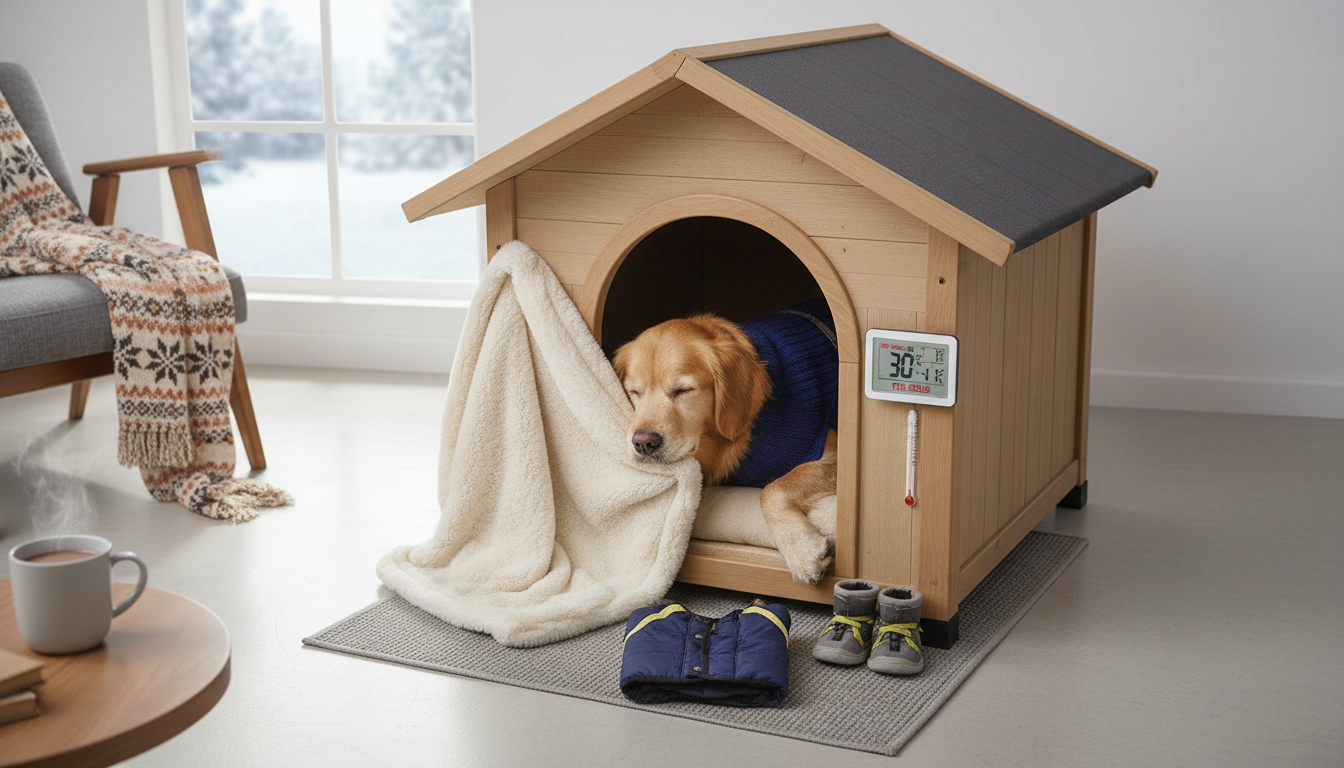
How cold is too cold for a dog outside in a dog house?
For most healthy adult dogs, outdoor time in a dog house starts getting risky around 32°F, and it can become too cold fast once temperatures drop below about 20°F—especially if there’s wind, damp bedding, or the dog can’t stay dry. Small dogs, seniors, short-haired breeds, and dogs with medical conditions can struggle well before freezing, sometimes even in the 40s.
Key temperature guidelines (general starting points)
45°F to 32°F: Many dogs are fine for limited periods if the dog house is dry, draft-reduced, and insulated, but short-haired or small dogs may need to come inside sooner.
32°F to 20°F: Cold stress becomes more likely. A dog house should be insulated, elevated off the ground, and protected from wind; monitor closely and shorten time outdoors.
Below 20°F: Too cold for many dogs to stay outside for long, even with a dog house. Consider bringing the dog indoors or using a tightly weatherproofed, insulated setup and frequent checks.
Below 0°F: High risk. Most pets should not be left outdoors.
What makes a “too cold” situation happen sooner
Cold is not just the number on the thermometer. Wind chill, rain/snow, ground contact, and humidity can pull heat from your dog rapidly. A dog house that sits directly on frozen ground, has gaps at the door, or has wet bedding can make 30°F feel dangerous.
Warning signs your dog is getting too cold
Shivering, reluctance to move, lifting paws, whining, seeking shelter desperately, lethargy, or pale/blue gums are red flags. Bring your dog inside and warm them gradually; contact a veterinarian if symptoms are severe or persistent.
How to make a dog house safer in cold weather
Prioritize insulation, a raised floor, a small doorway (or door flap) to cut drafts, and a dry interior. Place the house in a wind-protected area and check bedding daily so it stays dry. For step-by-step setup ideas, see the detailed guide here: Deluxe indoor/outdoor dog house comfort setup guide.
FAQ
How can I tell if my dog is too cold outside?
Look for shivering, tense posture, lifting paws, slowing down, or trying to get back inside. If you see these signs, bring your dog in and warm them gradually, and monitor for ongoing lethargy or weakness.










Leave a comment