-
Shop
- Adidas
- Advanced Technologies
- Apple Accessories
- Best-Sellers
- Car Accessories
- Dating & Social Skills
- Digital Resources
- AI Skills
- Beauty
- Car Buying & Ownership
- Cozy Feast Collection
- Electronics & Technology
- Financial Education
- Hobbies
- Home Styling & Organization
- Mindset
- Online Business
- Parenting & Child Development
- Personal Style & Fashion
- Pet Lifestyle & Wellness
- Smart Life with AI
- Travel Planning
- Wellness
- Yoga & Fitness
- Education & Learning
- Family & Parenting
- Fashion
- Alexander McQueen
- Bags
- Bags & Wallets
- Balenciaga
- Belts
- Blazers
- Blouses & Shirts
- Bottega Veneta
- Brunello Cucinelli
- Burberry
- Chanel
- Chloé
- Dior
- Dolce & Gabbana
- Dresses
- Etro
- Fendi
- Gucci
- Hats & Hair Accessories
- Jacquemus
- Jewelry
- Jil Sander
- Keychains
- Kiton
- Luggage
- Luggage Bags
- Miu Miu
- Off-White
- Outerwear
- Prada
- Rick Owens
- Saint Laurent
- Socks & Tights
- The Row
- Tom Ford
- Valentino
- Valentino Garavani
- Versace
- Vivienne Westwood
- Watches
- Furniture
- Gadgets
- Health & Beauty
- Health & Wellness
- Home & Garden
- Kids & Babies
- Kitchen
- Lighting
- Patio, Lawn & Garden
- Personal Growth
- Pet Care
- Pet Supplies
- Pets
- Shoes
- Sport & Outdoors
- Stress Relief & Relaxation
- Travel
- Wealth
- Popular
- Best deals
Find Your Perfect Jeans Fit: Rise, Cut & Fixes
Start With Fit Fundamentals (Not the Size Tag)
The best jeans don’t just “fit”—they stay comfortable and look intentional from morning to night. Instead of chasing a number on the label, prioritize three non-negotiables: a comfortable waist (no pinching or constant tugging), a smooth hip/seat (no pulling lines), and enough thigh room to sit, climb stairs, and take a real stride.
From there, focus on the variables that change everything: rise (low/mid/high), leg shape (skinny/straight/bootcut/flare/wide), and stretch level (rigid denim vs. comfort-stretch). When you’re trying on pairs, use quick mirror checkpoints: waistband level (does it stay put?), zipper flatness, pocket placement, knee break (where the fabric “bends” at your knee), and hem length with the shoes you actually wear.
Finally, expect small alterations to be normal. Hemming and a minor waist tweak can turn an almost-right pair into your most-worn jeans.
Pick Your Rise: The Fastest Way to Change Proportions
Rise height determines where the waistband sits, which changes how long your legs look, how defined your waist appears, and how secure the jeans feel when you move.
High-rise
High-rise jeans define the waist and elongate the leg line, and they can feel more supportive through the midsection. They’re most flattering when the waistband lands at your narrowest point instead of cutting across a softer area.
Mid-rise
Mid-rise is the everyday favorite: comfortable, versatile, and often ideal for shorter torsos or anyone who dislikes a very high waistband.
Low-rise
Low-rise highlights the hips and shortens the distance between waist and hip. It can work well on longer torsos, but it may gap or slip if there’s a significant waist-to-hip difference.
Use the “sit test” every time: sit down for 10 seconds. The right rise stays comfortable standing and seated—no digging, sliding, or gapping.
Body-Shape Quick Guide: Styles That Tend to Flatter
Great denim is about balancing proportions, not “correcting” the body. A helpful shortcut: let your widest point guide the silhouette. Add structure where you want definition (often the waist) and choose ease where you want comfort (often thighs or hips).
Details matter more than most people realize. Pocket size and placement can change the look of the seat dramatically—higher pockets can create a lifted look, closer-set pockets can make the back appear narrower, and wider-set pockets can add visual width.
| Body shape | Best rises to try | Leg shapes to try | Detail to look for |
|---|---|---|---|
| Hourglass (defined waist, balanced hips/shoulders) | Mid to high rise | Straight, bootcut, flare, skinny with good recovery | Contoured waistband; stretch that snaps back to prevent bagging |
| Pear / triangle (hips/thighs fuller than shoulders) | High rise or supportive mid rise | Bootcut, flare, wide-leg, slim-straight | Darker washes on bottom; minimal distressing on hips; wider hems to balance |
| Apple / oval (fuller midsection, slimmer legs) | Mid to high rise with smoothing panel | Straight, slim-straight, bootcut | Flat front; strategic stretch; higher back rise to prevent slipping |
| Rectangle (waist/hips similar, straighter lines) | Mid rise to high rise | Wide-leg, flare, tapered, straight | Seaming, pockets, or fading that adds curve; belt-friendly loops |
| Inverted triangle (shoulders broader than hips) | Mid to high rise | Wide-leg, flare, bootcut | Lighter wash or subtle texture to add visual weight to the lower half |
| Petite (shorter overall or shorter legs) | Mid rise or high rise (comfort-first) | Slim-straight, cropped flare, tapered | Short inseams; minimal stacking; hem length that hits cleanly at the ankle/top of shoe |
| Tall (long legs/torso) | Any rise that stays comfortable when seated | Straight, wide, flare, bootcut | Proper inseam options; knee placement that aligns with your knee |
Style-by-Style: What Each Cut Does
Straight-leg
Straight-leg jeans are the closest thing to a “neutral” silhouette, creating a clean line from hip to hem. They’re easy with sneakers, loafers, and ankle boots.
Bootcut
Bootcut jeans subtly flare from the knee, which can balance fuller hips and create a longer leg line—especially with heeled boots.
Flare
Flare jeans widen more dramatically from the knee, delivering a leg-lengthening effect and helping balance broader shoulders.
Wide-leg
Skinny/slim
Barrel/tapered
Fix Common Fit Problems (Without Giving Up on Denim)
Confidence Details: Wash, Color, and Finishing Touches
Be strategic with distressing and fading: avoid heavy whiskering across areas you prefer to look smoother. For a deeper dive into denim fiber and care considerations, explore resources from Cotton Incorporated and material impact guides from Good On You.
A Simple Try-On Routine That Saves Time
Shop the Fit-Confidence Essentials
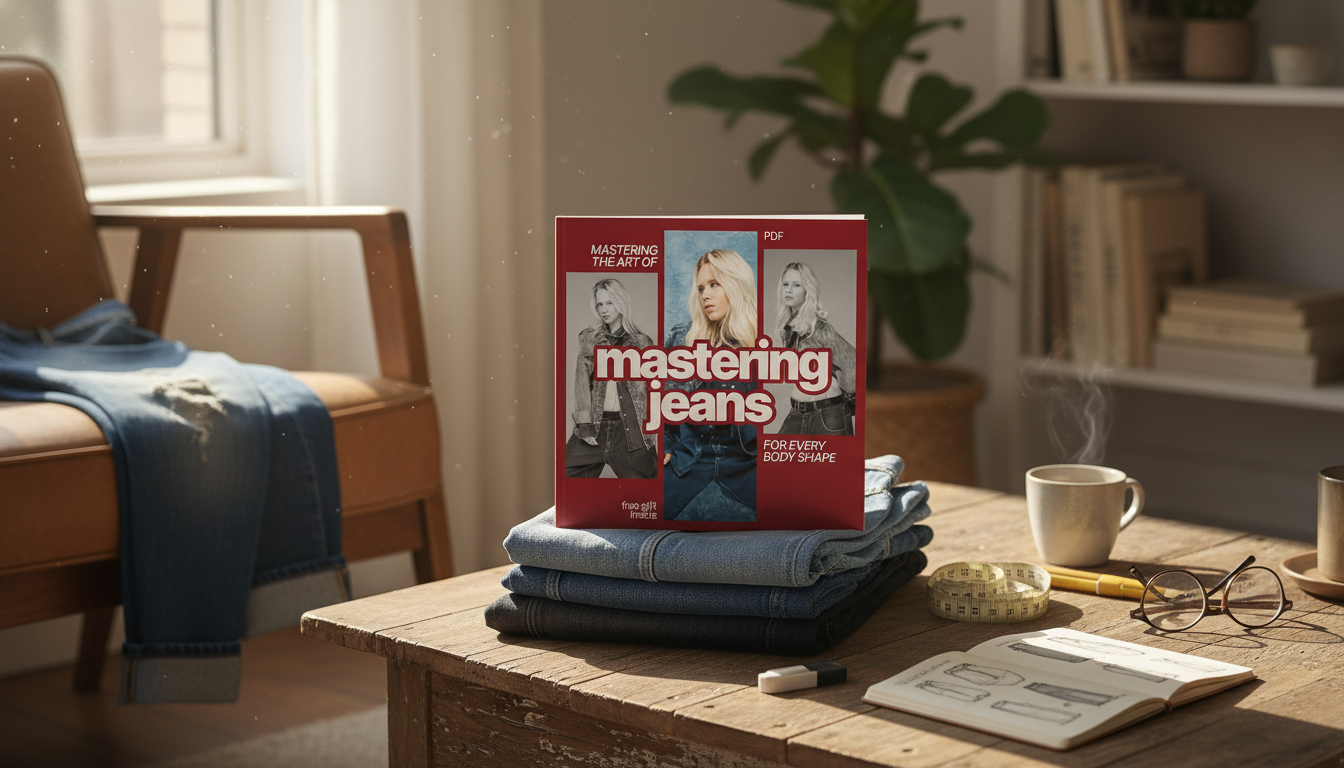
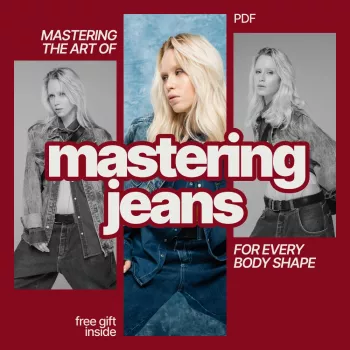
If you want a step-by-step way to narrow down cuts, rises, and finishing details without second-guessing, start with Mastering Jeans for Every Body Shape – Ultimate Jeans for Your Body Type Guide eBook | Find the Perfect Fit, Flattering Styles & Confidence-Boosting Denim.
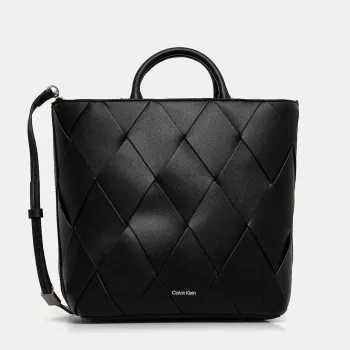
For a polished, day-to-night pairing that works with dark denim, straight legs, and wide-legs alike, add Calvin Klein Women’s Black Zip Tote Bag to finish the outfit with a clean, structured line.
FAQ
How should jeans fit at the waist if there is stretch in the fabric?
Aim for snug but not restrictive—the waistband should stay up without a belt and remain comfortable when seated. If the denim relaxes quickly, prioritize strong recovery and avoid buying a pair that already feels loose.
What rise is best for preventing waist gapping in the back?
A higher rise or a contoured waistband often reduces gapping, especially when there’s a larger waist-to-hip difference. Curvy/contoured fits plus a simple waistband alteration can solve persistent gapping.
Are wide-leg jeans flattering for shorter legs?
Yes—choose a defined waistband and a clean hem length with minimal pooling. A mid/high rise and a sleek shoe (or a bit of lift) helps maintain a long vertical line.
Recommended for you

White Sneakers at 50: How to Wear Them Well
May 28, 2026







Leave a comment