-
Shop
- Adidas
- Advanced Technologies
- Apple Accessories
- Best-Sellers
- Car Accessories
- Dating & Social Skills
- Digital Resources
- AI Skills
- Beauty
- Car Buying & Ownership
- Cozy Feast Collection
- Electronics & Technology
- Financial Education
- Hobbies
- Home Styling & Organization
- Mindset
- Online Business
- Parenting & Child Development
- Personal Style & Fashion
- Pet Lifestyle & Wellness
- Smart Life with AI
- Travel Planning
- Wellness
- Yoga & Fitness
- Education & Learning
- Family & Parenting
- Fashion
- Alexander McQueen
- Bags
- Bags & Wallets
- Balenciaga
- Belts
- Blazers
- Blouses & Shirts
- Bottega Veneta
- Brunello Cucinelli
- Burberry
- Chanel
- Chloé
- Dior
- Dolce & Gabbana
- Dresses
- Etro
- Fendi
- Gucci
- Hats & Hair Accessories
- Jacquemus
- Jewelry
- Jil Sander
- Keychains
- Kiton
- Luggage
- Luggage Bags
- Miu Miu
- Off-White
- Outerwear
- Prada
- Rick Owens
- Saint Laurent
- Socks & Tights
- The Row
- Tom Ford
- Valentino
- Valentino Garavani
- Versace
- Vivienne Westwood
- Watches
- Furniture
- Gadgets
- Health & Beauty
- Health & Wellness
- Home & Garden
- Kids & Babies
- Kitchen
- Lighting
- Patio, Lawn & Garden
- Personal Growth
- Pet Care
- Pet Supplies
- Pets
- Shoes
- Sport & Outdoors
- Stress Relief & Relaxation
- Travel
- Wealth
- Popular
- Best deals
Suburban Living Downsides: Commutes, Costs, Isolation
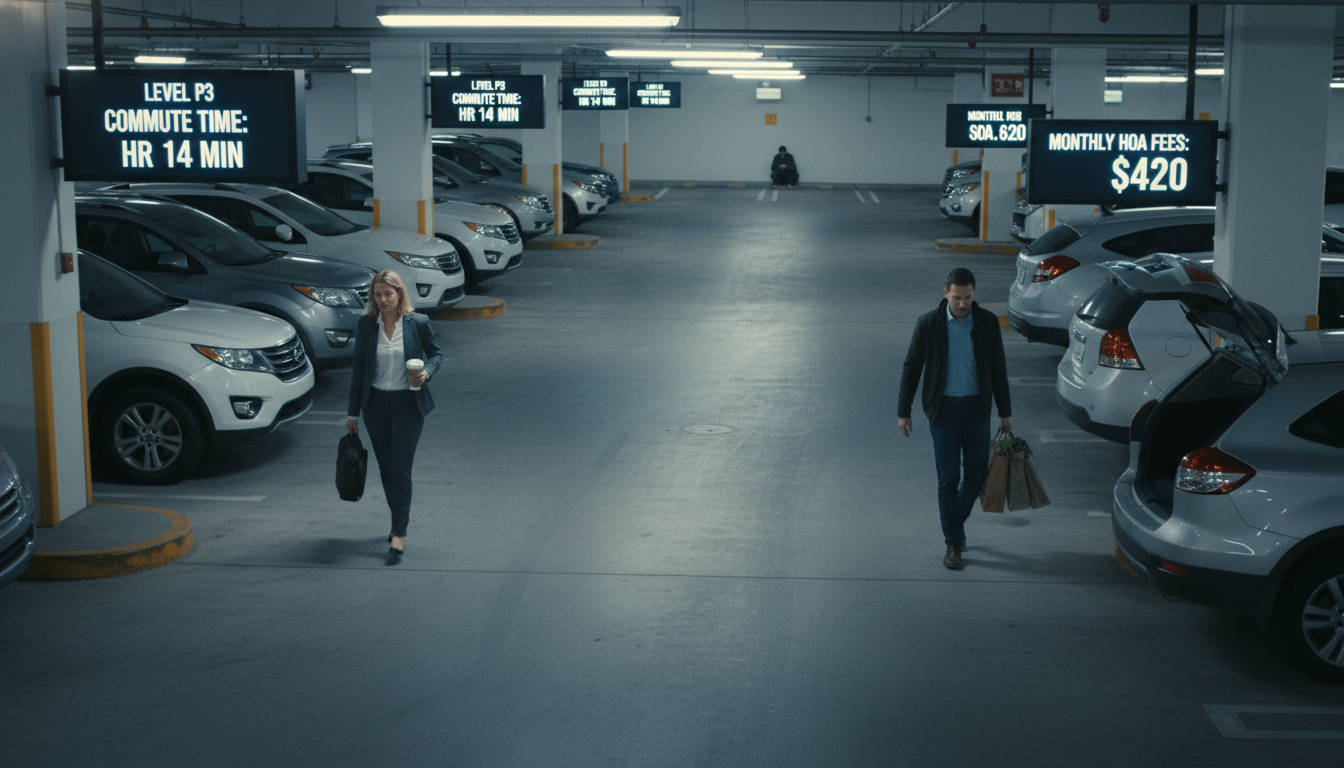
What are some disadvantages of living in a suburban area?
Suburban life can feel like the best of both worlds—more space than a city, but still close to jobs and services. Still, there are trade-offs that can affect daily time, budget, and flexibility. Here are some of the most common disadvantages people run into when living in a suburban area.
Higher transportation dependence (and costs)
Many suburbs are designed around driving. That can mean longer commutes, more frequent errands by car, and fewer practical alternatives like walking, biking, or transit. Over time, the true cost of car ownership—payments, insurance, fuel, maintenance, parking, and unexpected repairs—can become one of the biggest “hidden” downsides. For a detailed breakdown, see this guide to suburban car ownership pros, cons, and true monthly costs.
Less access to amenities without planning
Restaurants, nightlife, medical specialists, and cultural events may be spread out or clustered in a few commercial zones. Even when options exist, they can require planning around traffic, parking, and distance—especially for families juggling school schedules and activities.
Fewer spontaneous social connections
Lower density can mean fewer chance encounters and less foot traffic. Social life often shifts toward planned get-togethers or driving to meet friends, which can feel isolating for newcomers or anyone who thrives on a more active street scene.
Limited public transit and walkability
Some suburban areas have transit, but coverage and frequency can be limited. If transit doesn’t align with work hours or key destinations, residents may still need a car for most trips, making independence harder for teens, seniors, and anyone who doesn’t drive.
Ongoing upkeep and time commitments
Bigger homes and yards can be a plus, but they often come with more maintenance: mowing, landscaping, snow removal, and repairs. Homeownership-related costs may also include HOA dues or higher property taxes depending on the area.
FAQ
Is suburban living more expensive than city living?
It can be, especially once transportation is included. Housing may cost less than in a major city, but car-related expenses and longer travel times can raise the overall monthly budget.
Recommended for you


Smart Self-Cleaning Litter Boxes for Multi-Cat Homes
May 24, 2026
Zen Medieval Fishing Floor Lamp: E27 LED Art Light
May 24, 2026







Leave a comment